
Біноклевидна посудина
| Date of creation | ІІ половина V тис. BC |
|---|---|
| Classification | Material objects |
| Material | Глина |
| Technique | Ліплення, Прокреслений орнамент, Інкрустація |
| Height | 17.5 cm |
| Museum | MI KOR "Kyivskyi Regional Archaeological Museum" |
Description
A binocular-shaped vessel ("binocular") in the form of two cylinders with conical bowls set on them at the top and bottom, which have through holes and are joined by three bridges. The upper bridge is raised above the bowls and curved; the middle and lower ones are straight. The ornamental composition on the cylinders consists of three groups of horizontal incised lines and, on the upper bowls, one group of arched lines joined at an angle. The middle bridge is decorated with two horizontal rows of punctures (pits). The surface is light brown. Overall the vessel resembles two human figures holding hands with bowls on their heads. Archaeologists have several theories about the purpose of such vessels. Since such pieces have been found with ash and burnt animal bones on altars in Trypillian buildings, they are thought to have been used in sacrificial rites; the figures with bowls on their heads could thus symbolise the act of sacrifice. They may also have been used in the rite of "watering the earth" to call for rain, or as double drums. All theories agree that binocular vessels are a form of cult ceramics of the Trypillia culture of the late 5th to second half of the 4th millennium BC. They became widely known after V. V. Khvoika's excavations in the Middle Dnipro region at the settlements near the villages of Trypillia, Veremia and Shcherbanivka.

Similar objects
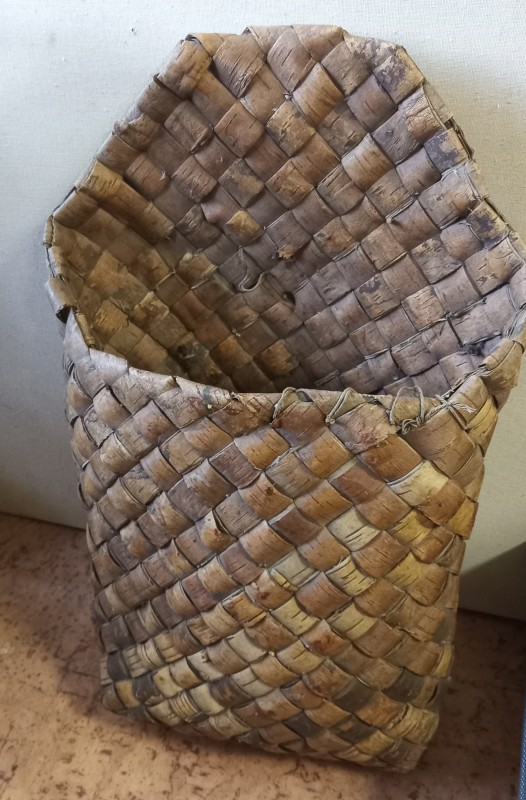
Сума
Municipal Institution Dykanskyi Historical-Local History Museum and D.M.Harmasha
Date unknown
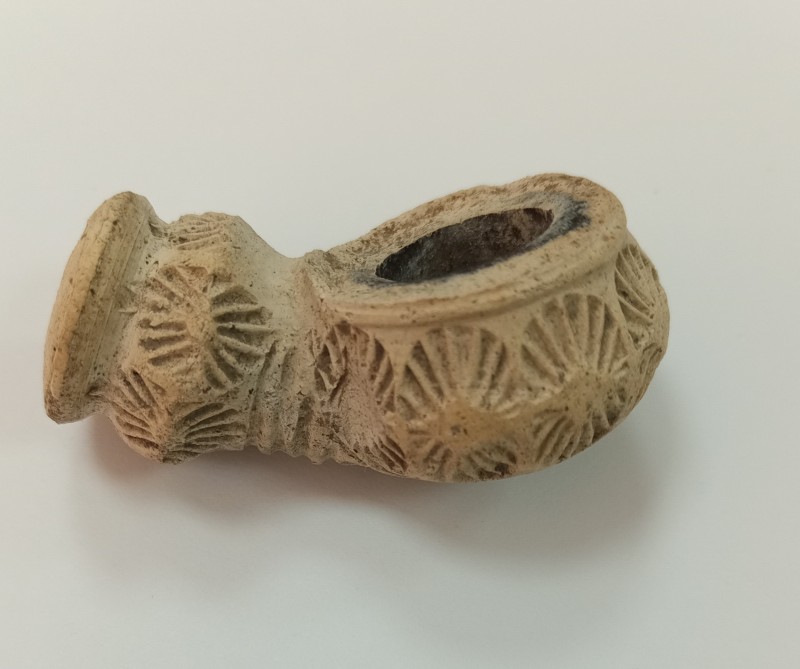
Cossack pipe
Municipal Institution Dykanskyi Historical-Local History Museum and D.M.Harmasha
Date unknown
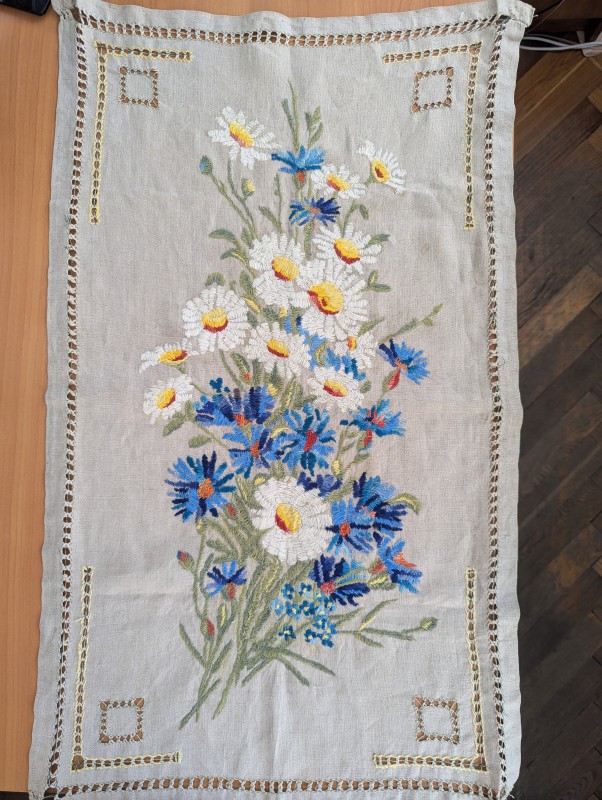
Доріжка (картина) вишита
Volynskyi Local History Museum
1970-1980-і рр.
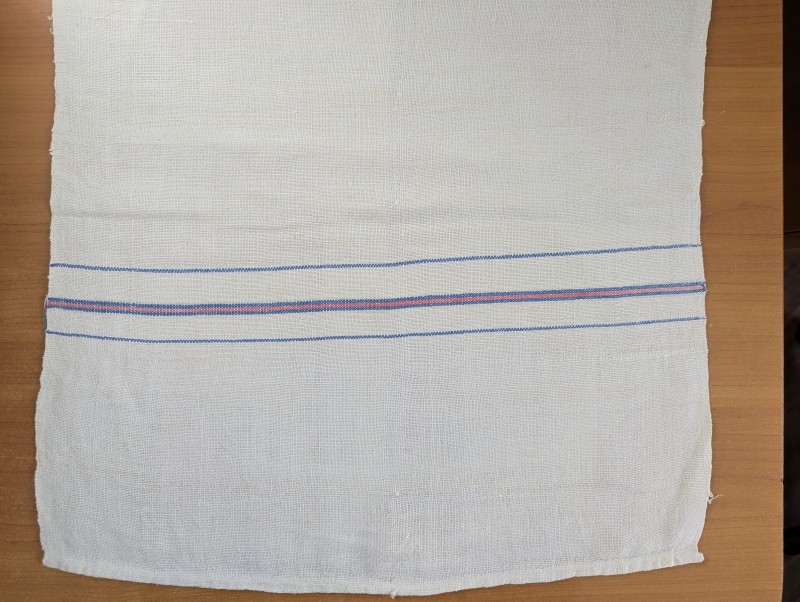
Woven towel
Volynskyi Local History Museum
20th century
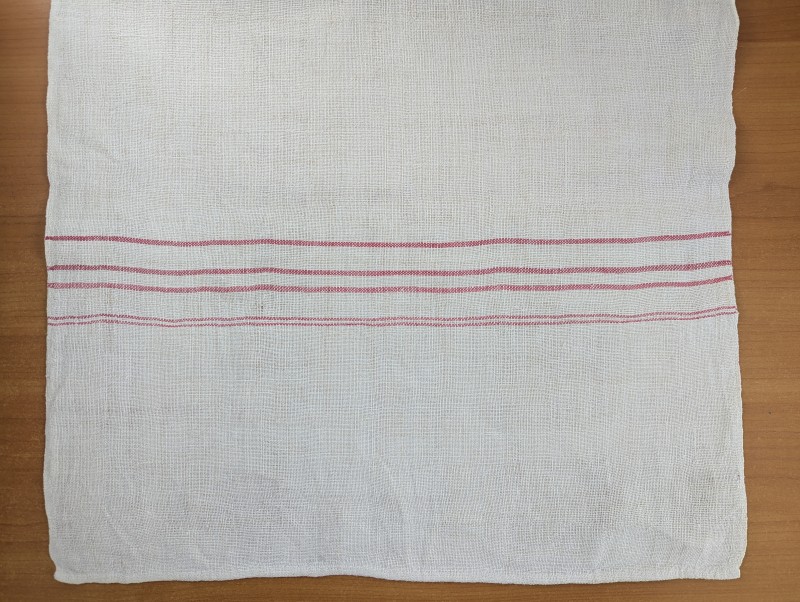
Woven towel
Volynskyi Local History Museum
20th century
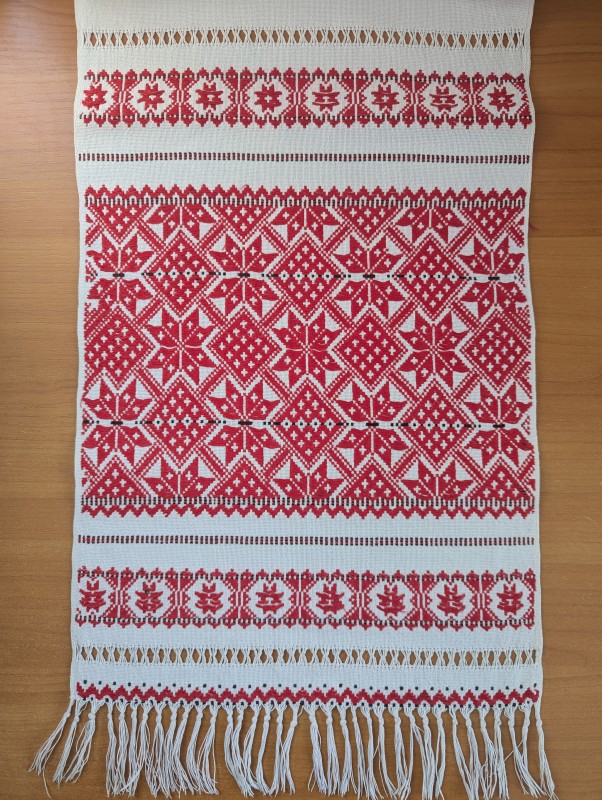
Decorative towel
Volynskyi Local History Museum
1950-1970-і рр.
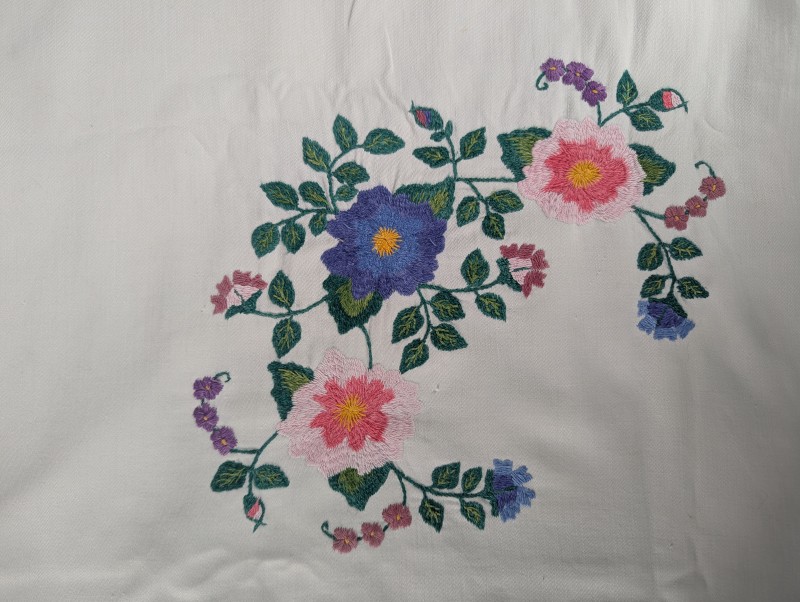
Embroidered tablecloth
Volynskyi Local History Museum
1950-і рр.
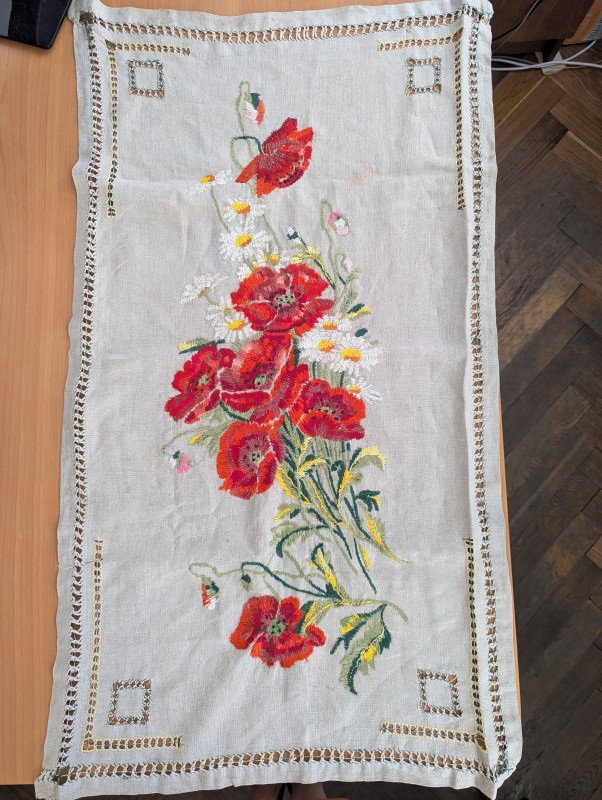
Доріжка (картина) вишита
Volynskyi Local History Museum
1970-1980-і рр.
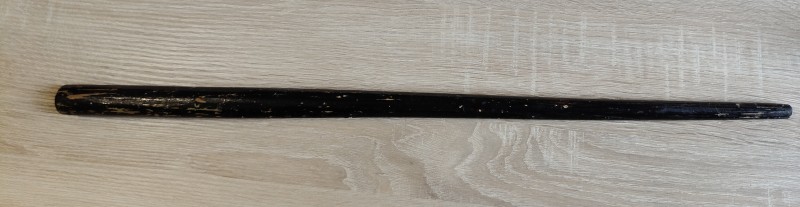
Указка вчителя румунського періоду
Municipal Institution Artsyzkyi Historical-Local History Museum Artsyzkoi City Council
Date unknown
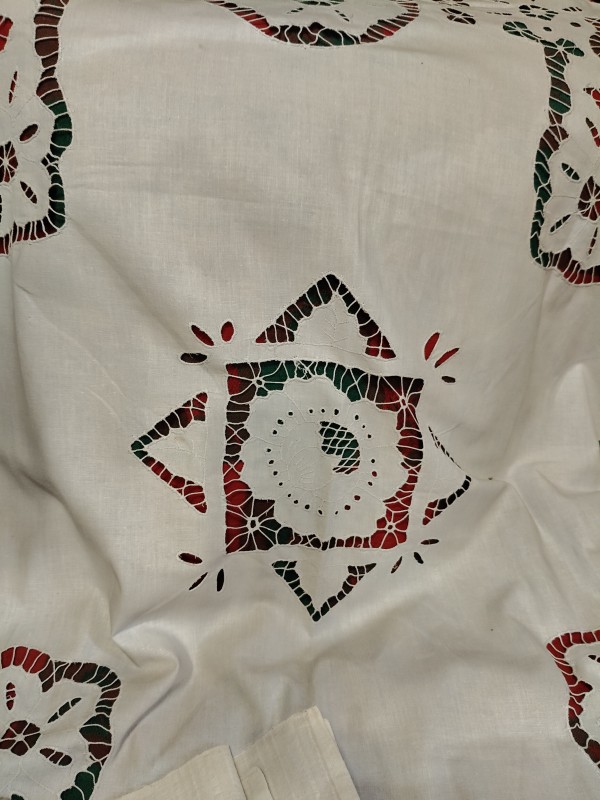
Pillow cover
Municipal Institution Artsyzkyi Historical-Local History Museum Artsyzkoi City Council
Date unknown
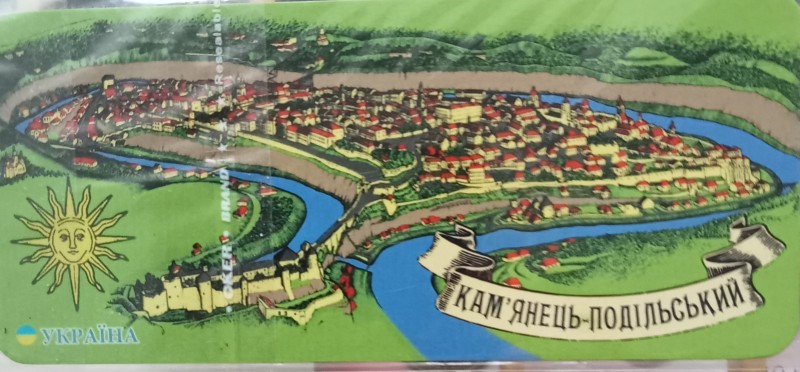
Магнітик, місто Кам'янець-Подільський
Municipal Institution Baltskyi History Museum Baltskoi City Council Odeskoi Region
Date unknown
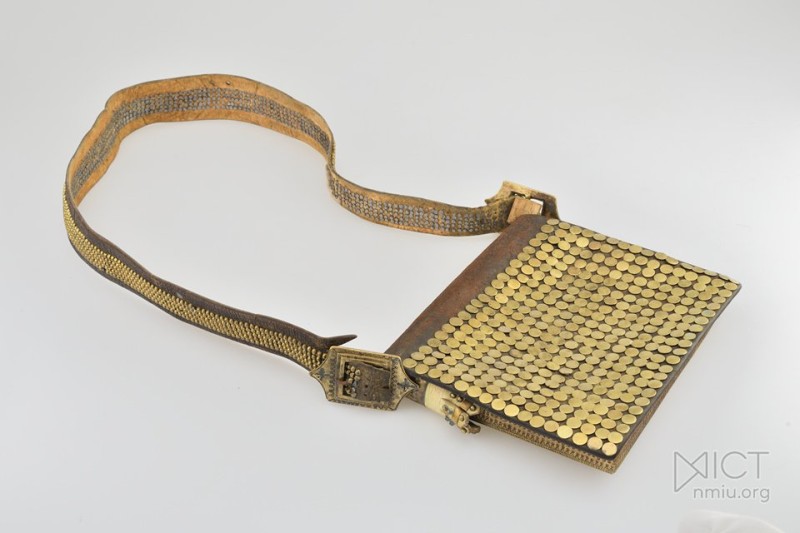
Сумка "ташка"
National Museum of the History of Ukraine
1850