
Stove tile
| Date of creation | поч. 17th century |
|---|---|
| Classification | Material objects |
| Material | Глина, Полива |
| Technique | Формування за шаблоном, Глазурування |
| Dimensions (W×W×H×H×H×D) | 19.6 × 1.6 × 1.5 × 0.9 × 9.1 × 19.5 cm |
| Museum | National Historical-Architectural Reserve "Kam'yanets" |
Description
A tile, early 17th century. Red-clay body; a wall tile, box-shaped, with a portrait, ornamented. The rumpa (box flange) is intact and joins the tile frame at an angle of 45°; halfway up it straightens to 90° relative to the face plate and ends in a massive widened roll. In horizontal section the rumpa is oval. In its side parts, corresponding to the horizontal sides of the tile, there are through holes (one on each side), made before firing and intended for mounting the stove with an iron wire (?). The inside of the rumpa and the back of the face plate are covered with green glaze, with traces of clay mortar on it. The face of the tile is rectangular, with a simple two-stepped undecorated frame attached; the edges of the frame carry splashes of glaze. The face bears a portrait in an arcade supported on each side by double vertical columns: on the outside a massive column with transverse notches filled with large dots and triple transverse rolls at its ends, on the inside smaller columns with rounded elements at the ends, on which the arch rests. Above the tops of both columns is a rounded element with a shell-shaped upper part. Under the arcade is a half-length portrait of a man in profile, his head turned to the left. He wears a high-necked shirt with a standing collar under which the fabric of the shirt is gathered in small folds; below, most likely, are two rows of a chain lying on the fur collar of a warm garment of the schaube or gown type; the "pumpkin" below the collar is the folds of the schaube. On his head is a small biretta, most likely worn over a hairnet (the area covered with green glaze).

Similar objects
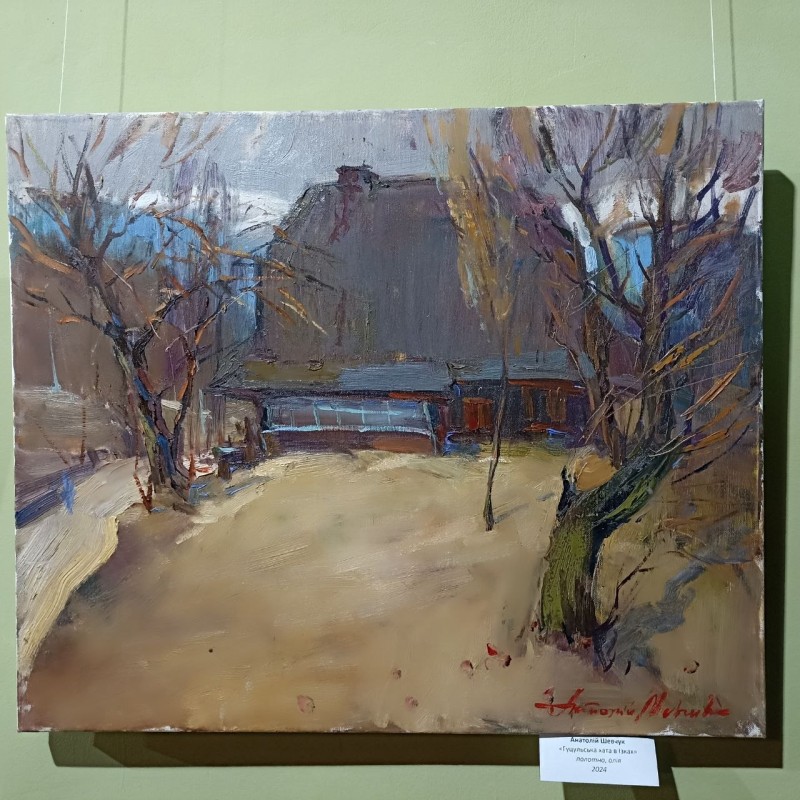
Картина «Гуцульська хата в Ізках», 2024 р.
National Historical-Architectural Reserve Kam'yanets
2024

Картина «Дворек» (польською «Dworek» - українською «Дворик»)
National Historical-Architectural Reserve Kam'yanets
2007

Скульптурна серія "Пам'ять століть"
National Historical-Architectural Reserve Kam'yanets
2017
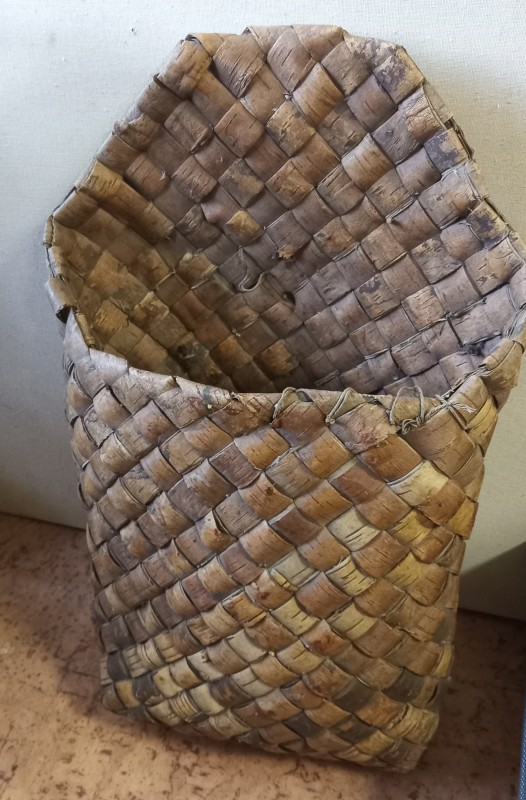
Сума
Municipal Institution Dykanskyi Historical-Local History Museum and D.M.Harmasha
Date unknown
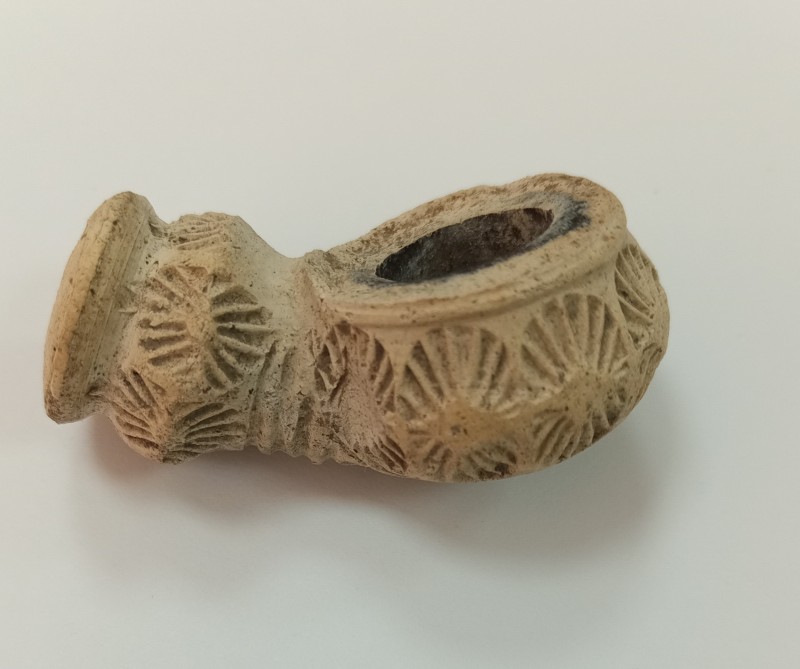
Cossack pipe
Municipal Institution Dykanskyi Historical-Local History Museum and D.M.Harmasha
Date unknown
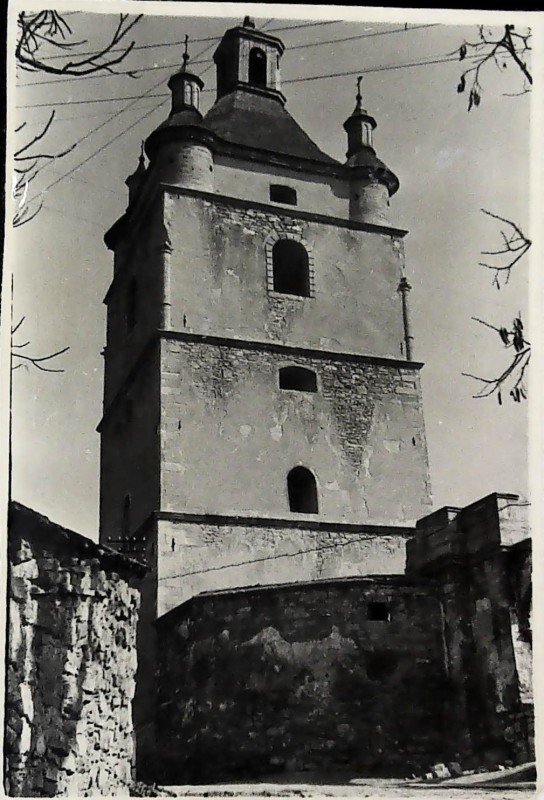
Фото: Башта Вірменського костелу
National Historical-Architectural Reserve Kam'yanets
mid-1970-х рр.
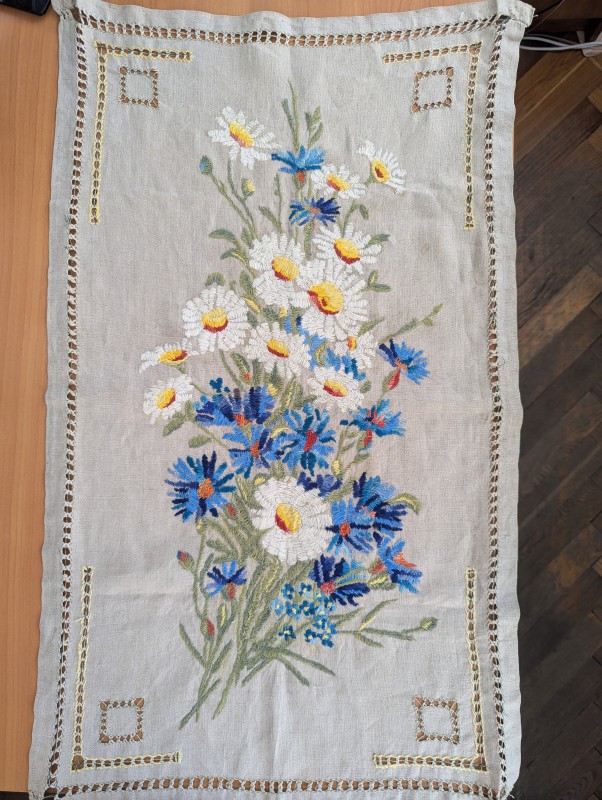
Доріжка (картина) вишита
Volynskyi Local History Museum
1970-1980-і рр.
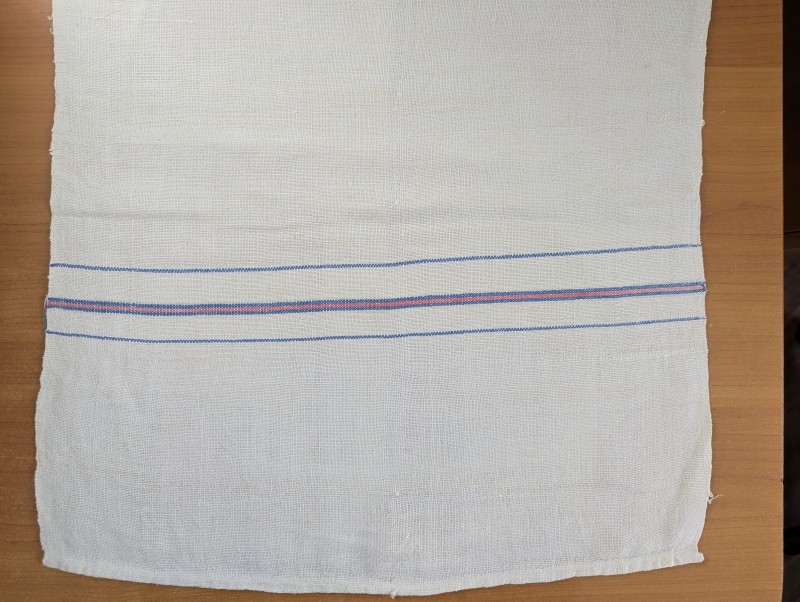
Woven towel
Volynskyi Local History Museum
20th century
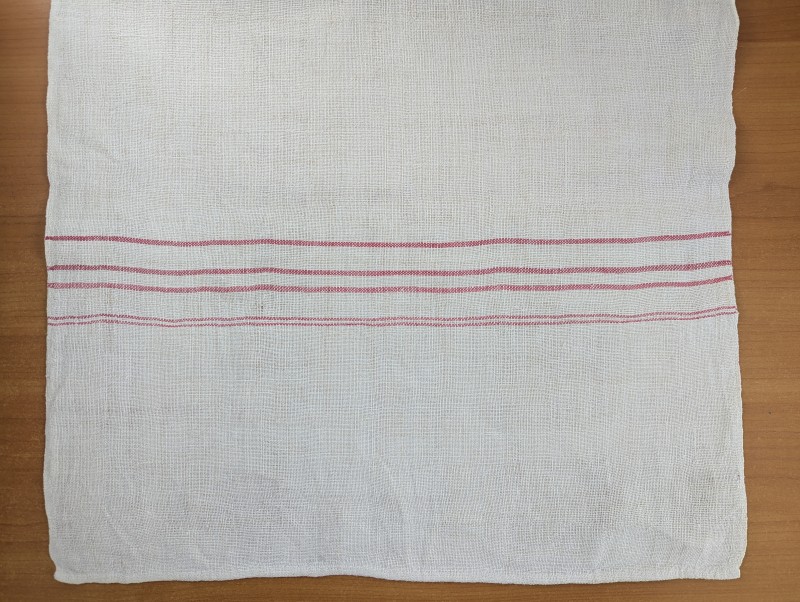
Woven towel
Volynskyi Local History Museum
20th century
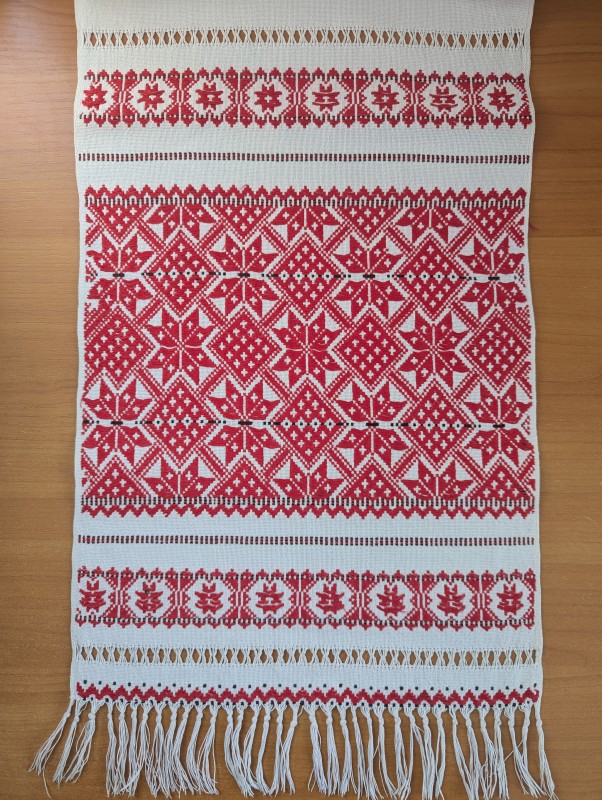
Decorative towel
Volynskyi Local History Museum
1950-1970-і рр.
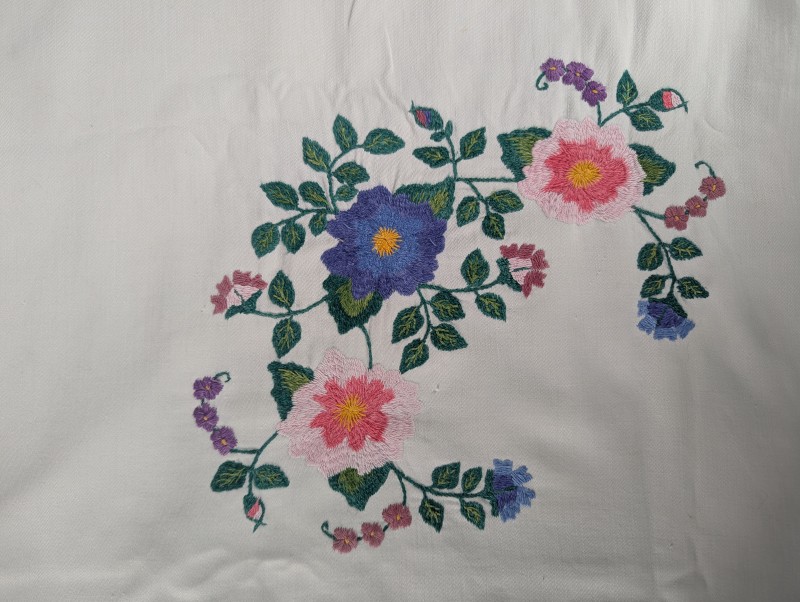
Embroidered tablecloth
Volynskyi Local History Museum
1950-і рр.
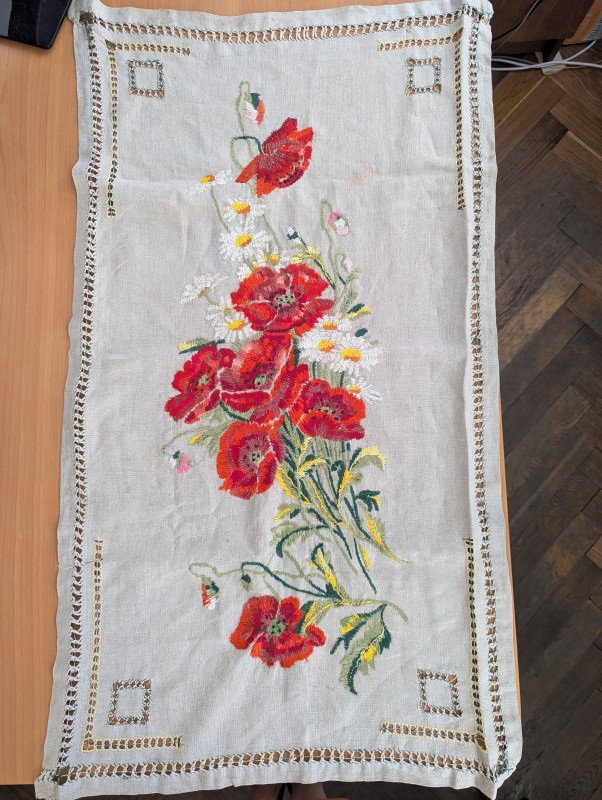
Доріжка (картина) вишита
Volynskyi Local History Museum
1970-1980-і рр.