The digital transformation of museums: how online platforms open Ukraine's heritage to the world

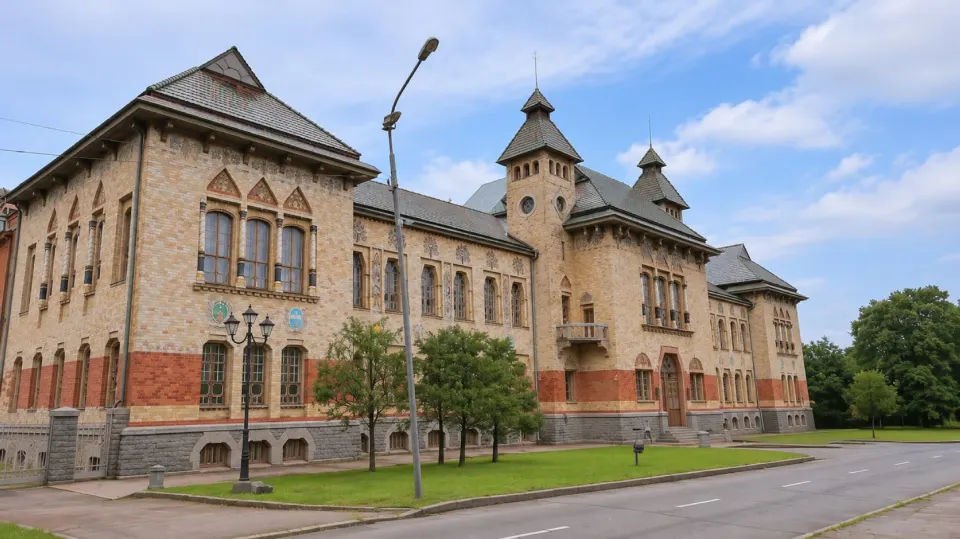
In the 21st century digital technologies play a decisive role in preserving cultural heritage, making it more accessible and promoting it. Online museums of Ukraine, virtual tours, 3D tours and digital catalogues are not only a technological breakthrough but a new era for museum work. At a time when physical access to cultural institutions may be limited, especially during war, digital solutions ensure a continuous connection between people and culture.
Digital exhibitions are online presentations of collections created with photo, video and 3D content. They allow exhibits to be viewed in the highest quality, with their descriptions, history and context, and sometimes even with audio guides in world languages. It is an ideal tool for interactive acquaintance with art and history, especially for those who cannot physically visit a museum.
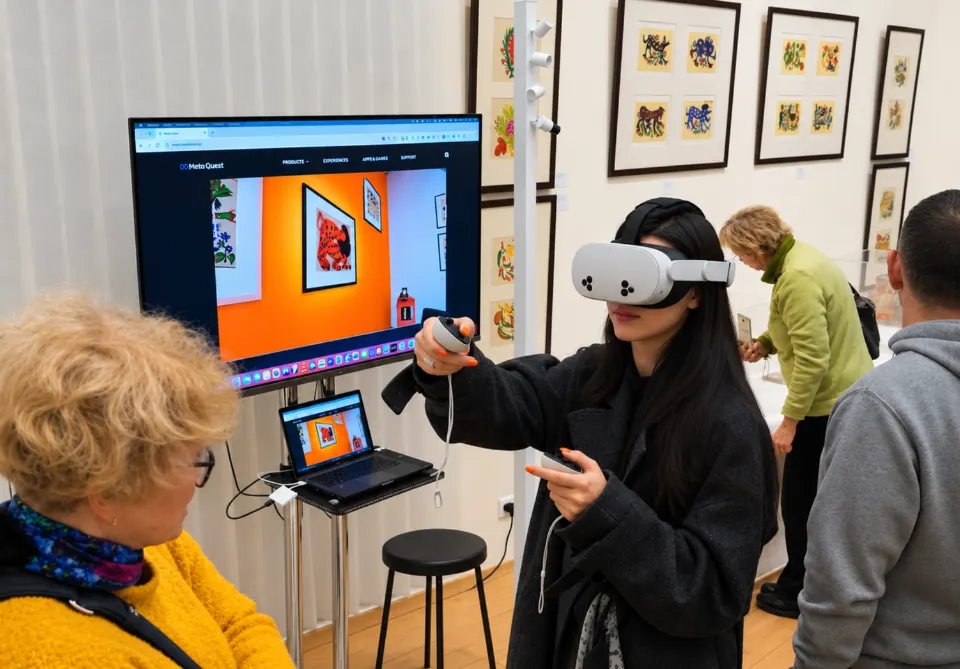
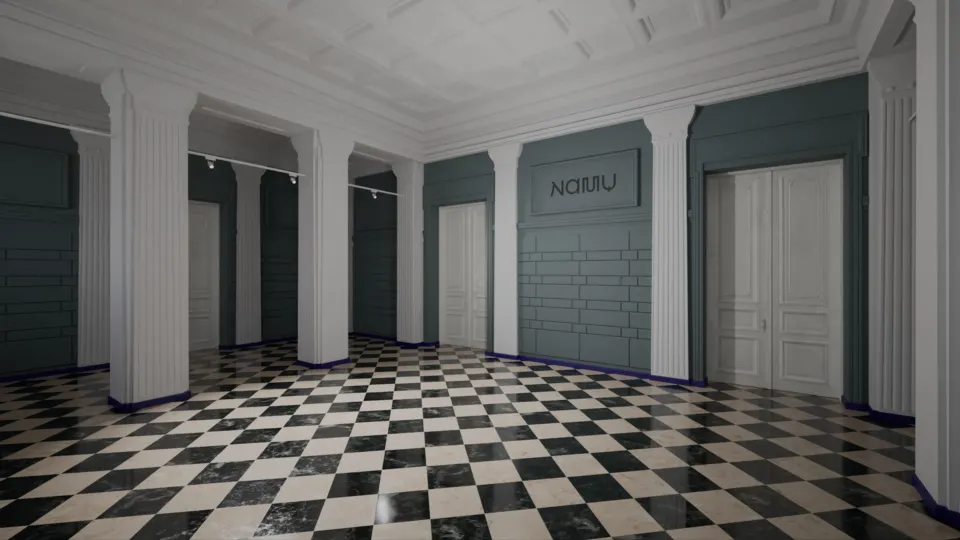
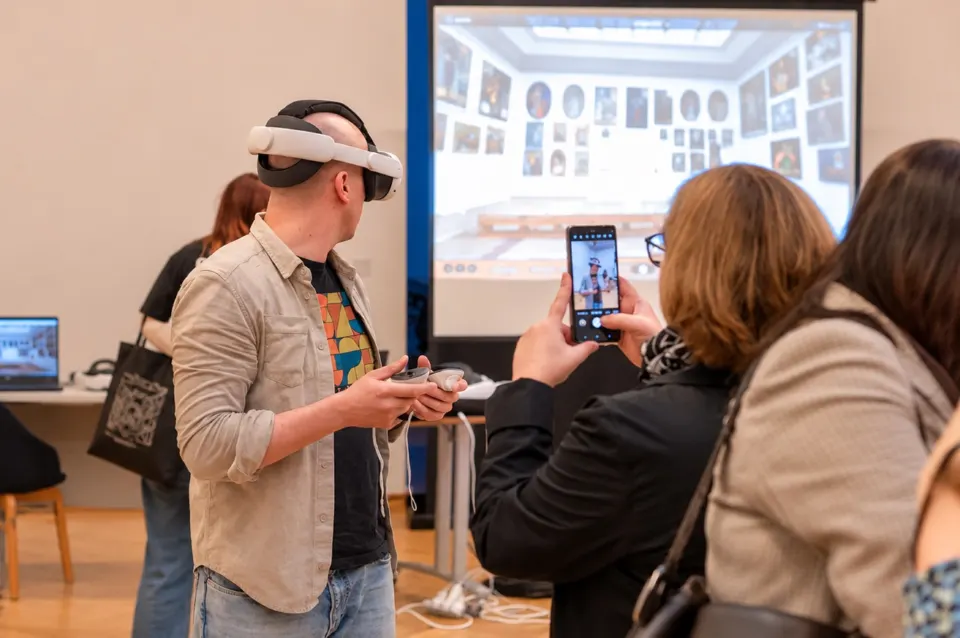
Virtual museum tours are another powerful format that lets you “walk” through displays in real time or in 360°. With 3D scanning and interactive navigation, visitors can “visit” a hall of the Odesa art museum, look at Scythian gold jewellery in the National Museum of the History of Ukraine or explore the cellars of Lviv galleries without leaving home.
Integrating museums into digital space opens unprecedented research opportunities. Online access to the museum fund means that thousands of artefacts are now available anytime and anywhere. Such initiatives provide:
- digitisation of museum catalogues;
- creation of digital copies of exhibits;
- interactive databases with filters by subject, author and period;
- a link between museum education and modern technologies.
For scholars, teachers and students this is a source of invaluable data. For the general public it is a convenient way to learn more about Ukrainian heritage.
The digitalisation of Ukraine's museums was relevant even before the full-scale war, but the war became a catalyst that accelerated the process. In 2022–2024 there were large-scale efforts to create backups, digitise collections, develop online platforms and train cultural workers in digital skills.
However, many challenges remain: a shortage of equipment, funding and specialists. Moreover, not all museums have an internet connection or the ability to work with 3D modelling on their own. That is why state support and partnerships with the IT sector are extremely important.
For their part, civic initiatives and donor programmes help build open data about museums, making it possible to track the state of collections transparently, plan restoration and create research materials and innovative products.
An online platform, a 3D museum tour and digital exhibitions are not just technological novelties but a new level of engagement with culture. Supporting initiatives for the digitalisation of Ukraine's museums, developing open data and introducing innovation into the museum field are critically important steps for preserving national heritage. In the digital age it is important not only to preserve exhibits but also to give them a second life online.