Treasures of a great nomadic people: the Scythian heritage in Ukraine
The Scythians were a great nomadic people who ruled the steppes of the Northern Black Sea region in the 7th–3rd centuries BC and left behind one of the most striking cultures of the ancient world. Their burial mounds, gold, weapons and exquisite jewellery became true symbols of a steppe civilisation that combined military might, developed crafts and a deep mythological tradition. A large part of the monuments of Scythian culture is concentrated on the territory of present-day Ukraine, forming a unique layer of our historical heritage.
The gold pectoral from Tovsta Mohyla, a world-class masterpiece
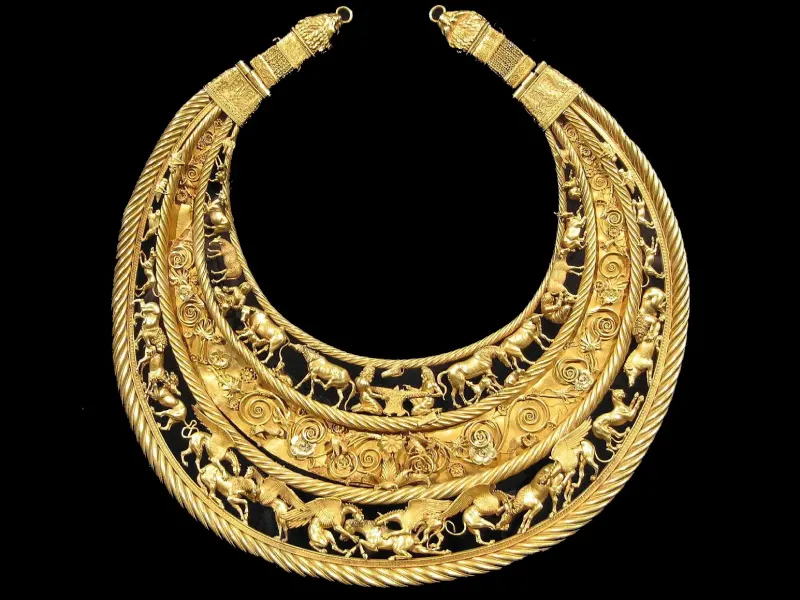
On 21 June 1971, during excavations of the Tovsta Mohyla burial mound in Dnipropetrovsk Oblast, an expedition led by Borys Mozolevskyi made a sensational find: a gold pectoral, the breast ornament of a Scythian king of the 4th century BC. It was found in the burial complex together with an iron sword in a gold scabbard.
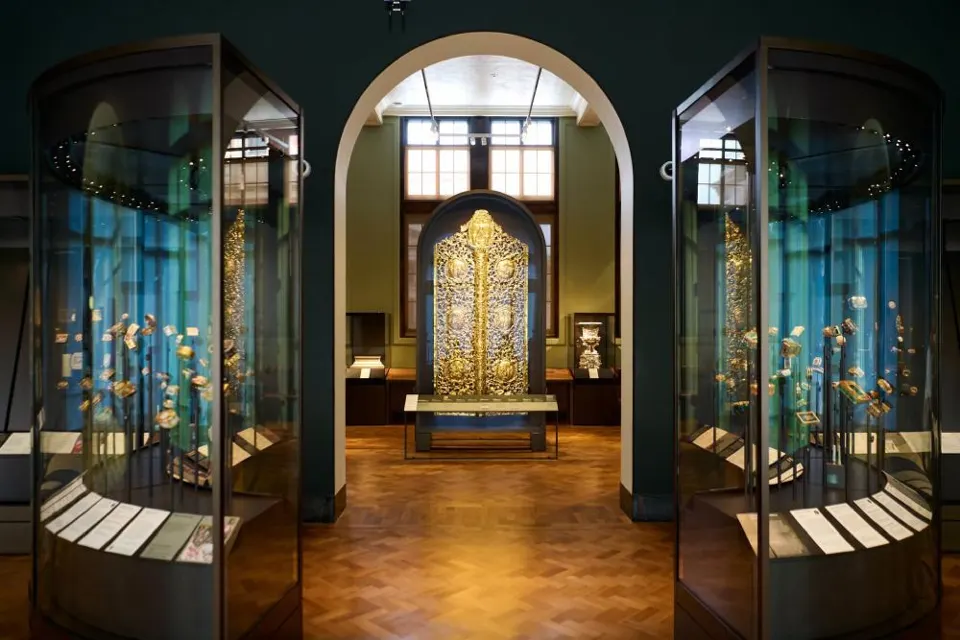
The pectoral weighs about 1,150 g and is 30.6 cm in diameter. It is made of high-purity gold using complex techniques: casting, chasing, engraving, filigree and inlay. The ornament was probably made by Greek craftsmen commissioned by the Scythian nobility. Today this unique masterpiece is kept in the Treasury of the National Museum of the History of Ukraine.
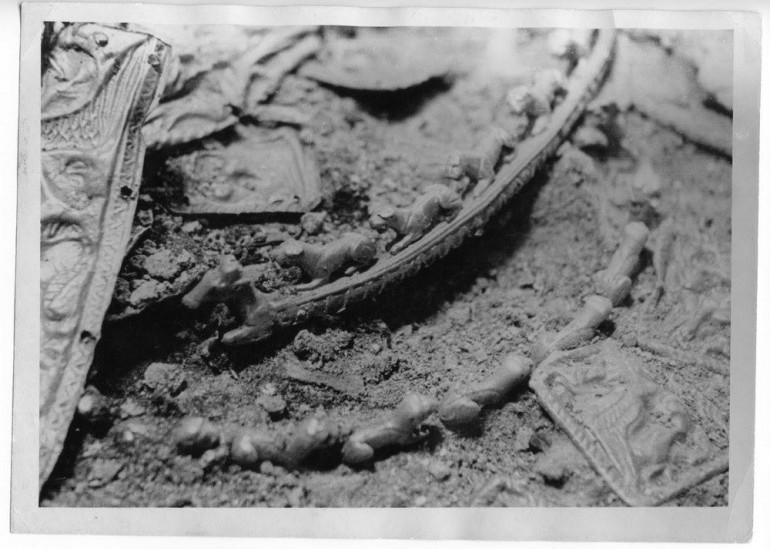
While investigating Tovsta Mohyla, archaeologists also found about 600 gold ornaments, including a sword decorated with images of winged lions, deer, horses and eagles, which once again confirms the extraordinary wealth and symbolic richness of Scythian culture.
Other famous burial mounds and finds
Finds from the Solokha (Zaporizhzhia Oblast) and Chortomlyk (Dnipropetrovsk Oblast) burial mounds also remain incredible works of art. Gold combs, vessels, weapons and jewellery were discovered there, demonstrating both a high artistic level of execution and the complex symbolism of the images.
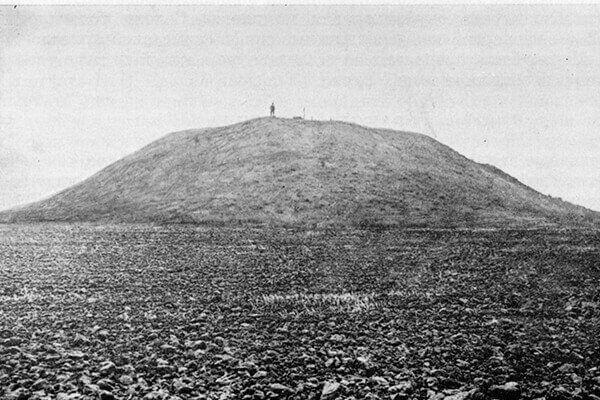
These monuments make it possible to reconstruct the Scythians' ideas about power, military valour, the afterlife and the place of humans in the universe.
The “animal style”: a language of images and symbols
A characteristic feature of Scythian jewellery is the so-called “animal style”: images of deer, panthers, griffins, horses, birds of prey and fantastic creatures in dynamic poses. Animals are often shown in the moment of combat or attack, symbolising strength, power and cosmic order.
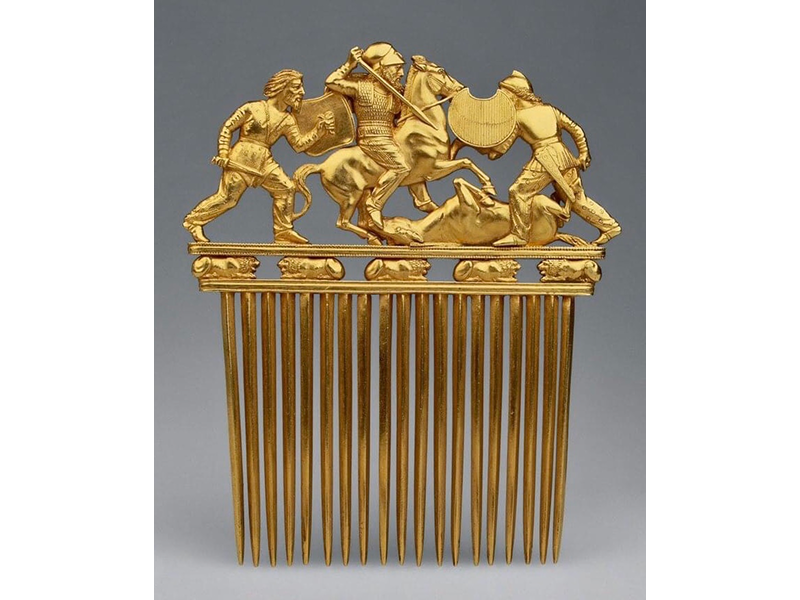
Alongside animal motifs, the objects feature scenes from the everyday life of the Scythians, mythological subjects and floral ornament. Jewellery had not only a decorative but also a sacred meaning: it served as amulets and status symbols and accompanied noble dead in their burials.
Where to see Scythian treasures today
Treasures and everyday objects of the Scythians are kept in many museums of Ukraine, including:
- National Museum of the History of Ukraine
- Treasury of the National Museum of the History of Ukraine
- Odesa Archaeological Museum
- Mykolaiv Regional Museum of Local History
- Posullia State Historical and Cultural Reserve
The Scythian heritage is not only gold and jewels but above all a deep worldview captured in metal and stone. It continues to open new pages of history and reminds us of ancient civilisations that shaped the cultural landscape of Ukraine long before modern states appeared.
Cover image: the Scythian pectoral, now kept in the Treasury of the National Museum of the History of Ukraine.