Ukrainian culture is part of European heritage
European Heritage Days are an opportunity to see that culture has no borders. It is a common background that unites peoples through history, art and memory. That is why on these days it is important to speak about Ukrainian culture as an integral part of European civilisation.
A thousand years of history at the crossroads of civilisations
Ukraine is not only the geographical centre of Europe. It is also a cultural bridge between East and West. Here, on our land, the influences of the ancient world, Byzantium, Central Europe, the steppe peoples and the Christian tradition have intersected for millennia.
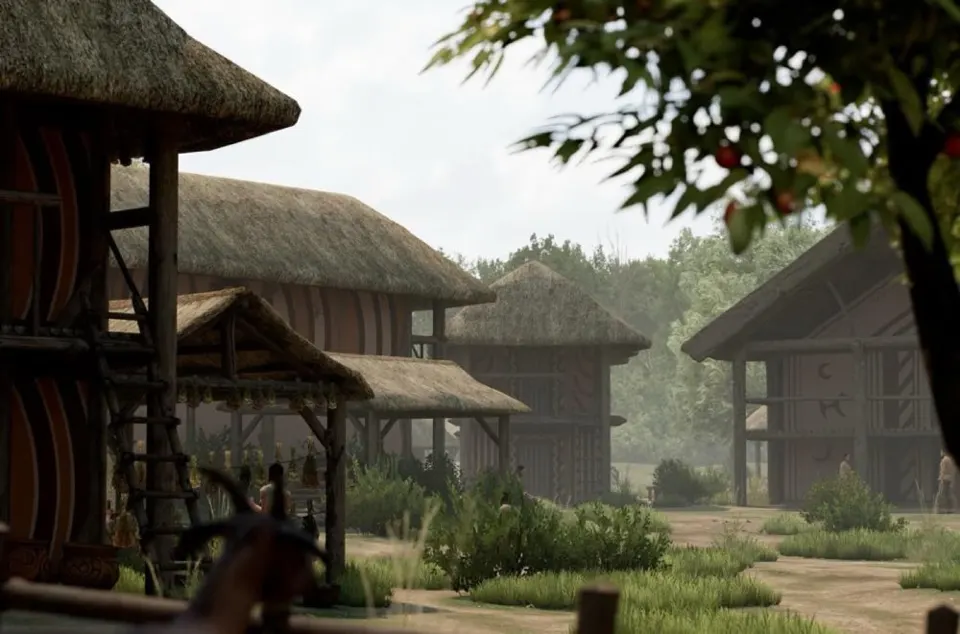
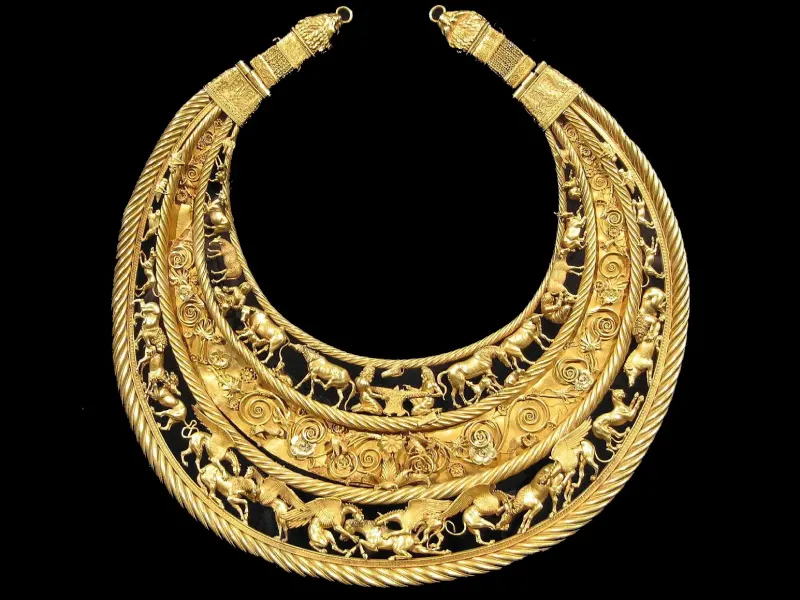
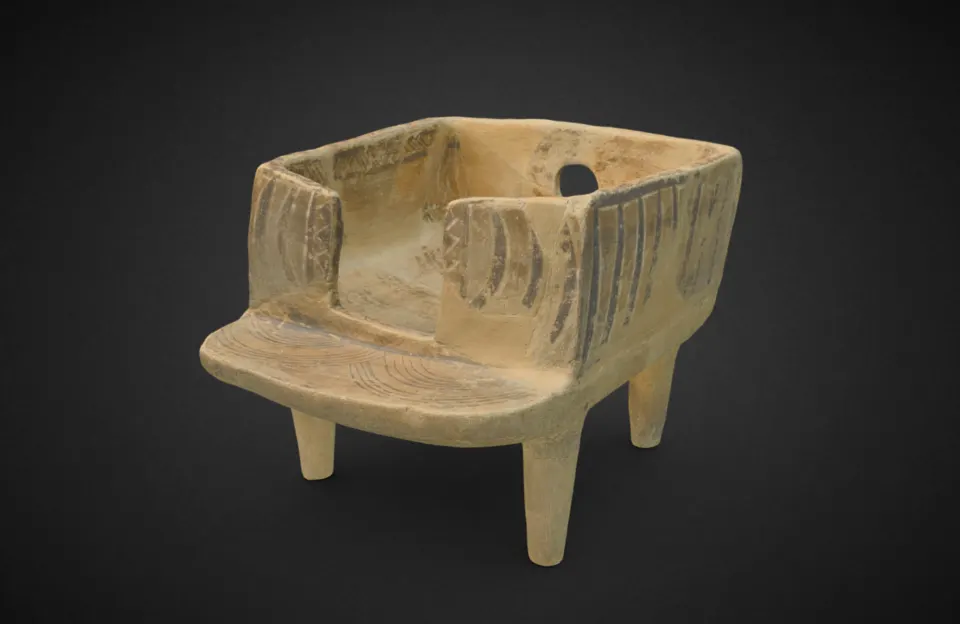
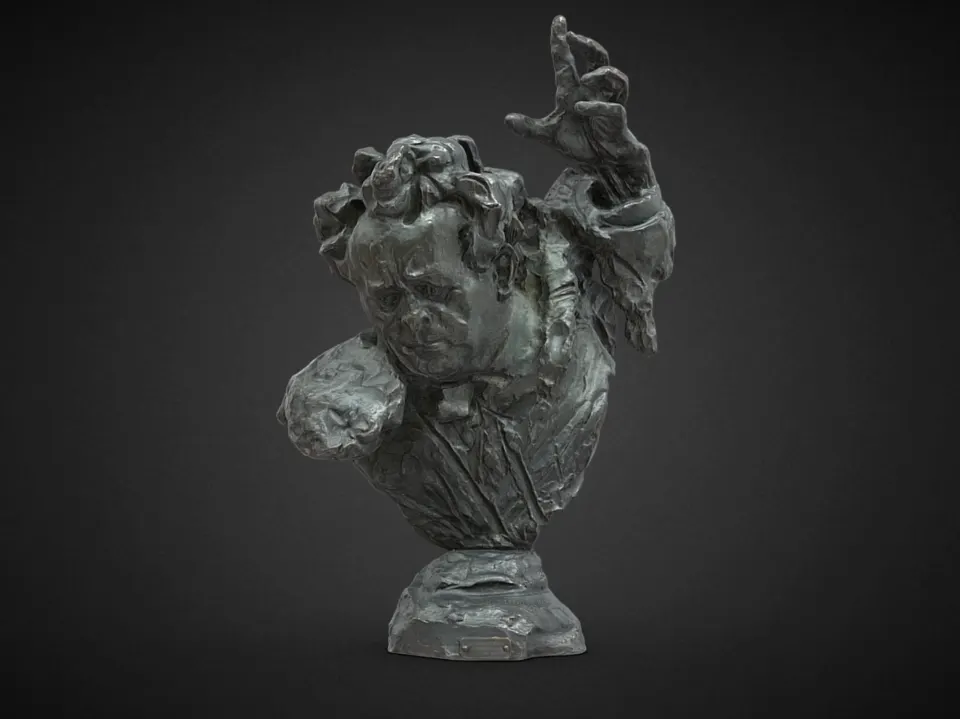
From the Trypillian culture to the medieval churches of Kyivan Rus', from Cossack Baroque to Lesia Ukrainka's modernism and Archipenko's Cubism, Ukrainian cultural history has European scale and depth.
Museums as keepers of Ukraine's European identity
Museums are places where the past becomes understandable and culture visible. It is they who reveal the richness of Ukrainian art, heritage and identity to the world.
Key museums presenting Ukrainian culture in a European context include:
- National Museum of the History of Ukraine (NMHU). It has a unique collection spanning periods from the Palaeolithic to the current war. Its exhibitions show how the Ukrainian land shaped European history.
- National Art Museum of Ukraine. It presents icon painting, classical art, modernism and the avant-garde. Here you can see works demonstrating the close ties between Ukrainian art and European artistic processes.
- Museum of the Ukrainian Diaspora. It tells about Ukrainians who created around the world: in Paris, New York, Warsaw and Prague. Their works are part of the cultural mosaic of 20th-century Europe.
- Khanenko Museum. It holds masterpieces of world art, including European masters, and is also an example of the patronage of the Ukrainian intelligentsia, which always sought dialogue with the world.
- Museum of Folk Architecture and Rural Life in Pyrohiv. It shows that the Ukrainian tradition is not isolated. It contains influences from the Balkans, the Carpathians, the Baltic region and even Western Europe.
Ukrainian culture in Europe's digital space
Thanks to digitisation projects, part of Ukraine's heritage is available online, including on European platforms. For example, the Europeana website presents exhibits from Ukrainian museums, libraries and archives. And thanks to initiatives such as eMuseum, Ukrainian artefacts gain a digital life and accessibility for the whole world.
Why this matters today
In a time of war and threats, Ukrainian culture has become a target. But at the same time it has become a voice of freedom and dignity, understood far beyond the country's borders.
European Heritage Days are an opportunity to say:
Ukraine is not new to Europe.
It is an organic part of it, culturally and historically.
And our museums are part of the great European history that we continue to write.