Tate Modern: the power station that became the leading museum of modern art
In September 2026, Deputy Minister of Culture Tetiana Filevska met the leadership of Tate Modern in London. They discussed how to expand the museum’s collection of Ukrainian art and which exhibitions to organise together. It is a good occasion to take a closer look at this place and at why being present there matters so much.
A museum in the turbine hall
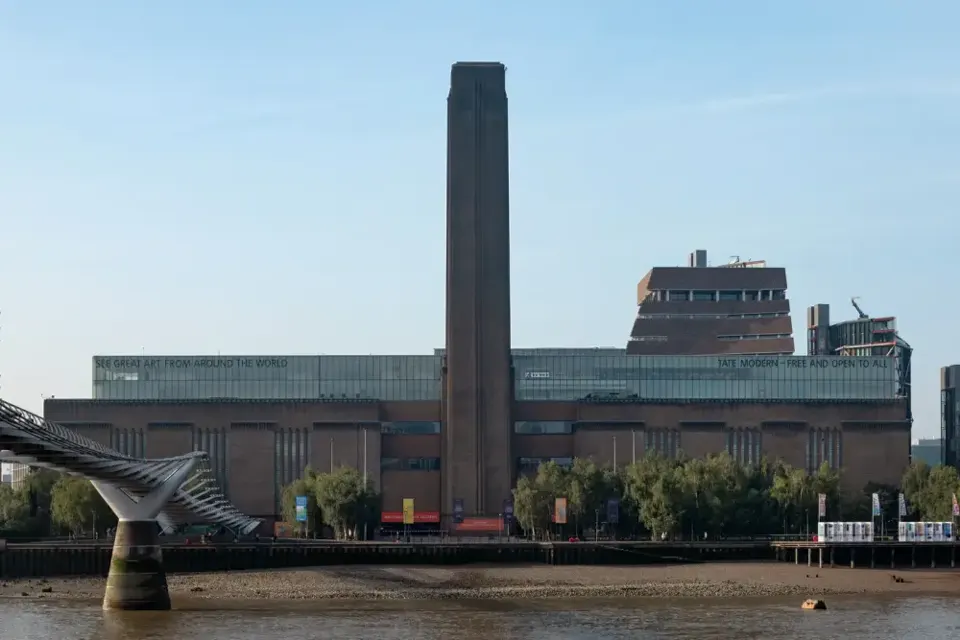
Tate Modern opened in 2000 in the former Bankside Power Station on the south bank of the Thames. Across the river stands St Paul’s Cathedral, and the two are linked by the Millennium Bridge.
The brick building with its 99-metre chimney was designed by Giles Gilbert Scott, the creator of the British red telephone box. The station closed in 1981, and later the Swiss firm Herzog & de Meuron turned it into a museum.
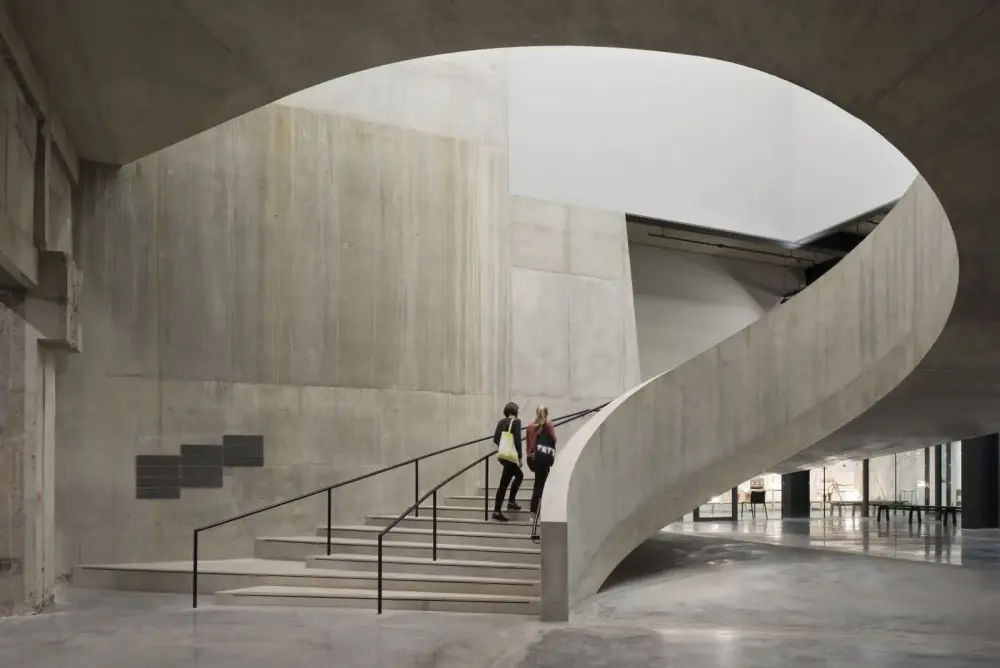
The architects did not hide the building’s industrial past. The former machine room, the Turbine Hall, was left empty: 155 metres long and 35 metres high. It is what made the museum famous.
A space that sets the scale
Every year one artist presents a large-scale installation in the Turbine Hall. Louise Bourgeois placed a giant spider here, Olafur Eliasson lit an artificial sun, and Ai Weiwei scattered a hundred million porcelain sunflower seeds. Doris Salcedo simply split the concrete floor with a crack along the whole length of the hall.
In 2012 the museum opened the Tanks, former fuel tanks adapted for performance and video. In 2016 the ten-storey Blavatnik Building with a viewing platform was added.
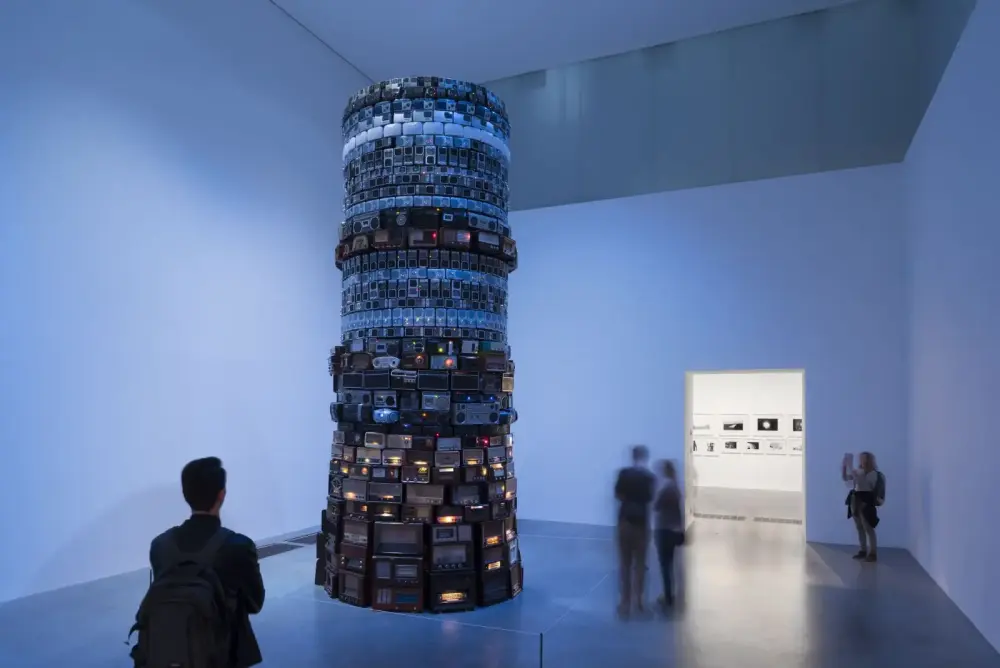
The permanent collection covers art from 1900 to the present day and is arranged by theme rather than chronologically. Admission to the permanent display is free; some temporary exhibitions are ticketed. Tate Modern is consistently among the most visited art museums in the world, with more than 4.5 million visits in the latest reporting year.
The Ukrainian context
Ukrainian names have long been present at Tate. The collection holds “Dynamic Suprematism” by Kazymyr Malevych, who was born in Kyiv; in 2014 the museum staged a major retrospective of his work.
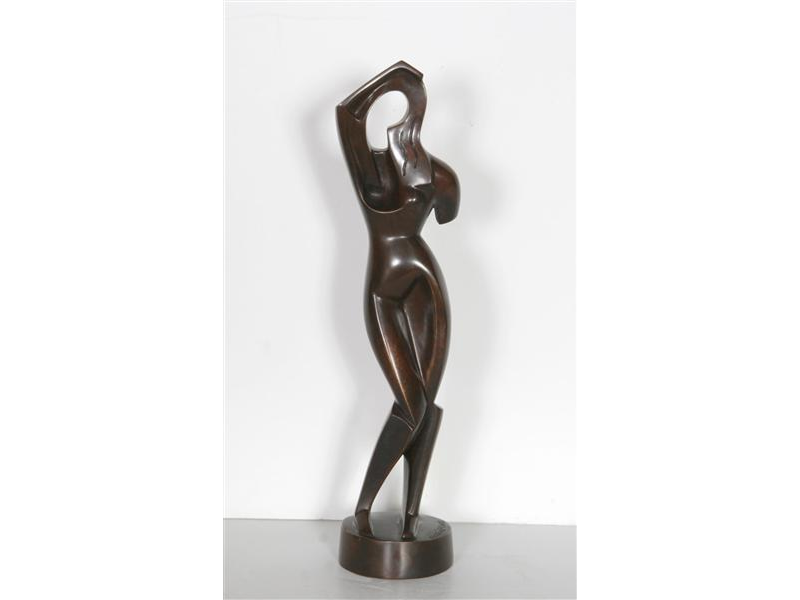
There is also “Woman Combing Her Hair”, a sculpture by Kyiv-born Oleksandr Arkhypenko. In 2015 Tate Modern showed a retrospective of Sonia Delaunay, who was born in Odesa. Among contemporary artists, the collection includes Kharkiv-born Borys Mykhailov.
So it matters a great deal to Ukraine how our artists are presented to the world: whether museums tell the story of their origins and their ties to Ukrainian culture.
What was discussed in September
The British museum was represented at the meeting by Acting Director Catherine Wood and Secretary to the Board of Trustees Samuel Jones, and the Ukrainian side also included Volodymyr Sheiko, Director General of the Ukrainian Institute. They discussed three areas: expanding the collection of Ukrainian art, joint exhibition projects and educational programmes.
Tetiana Filevska presented the museum library with a selection of publications on Ukrainian art and the decolonisation of heritage. In her words, cooperation with Tate Modern may open up new opportunities to present our artists to the world.
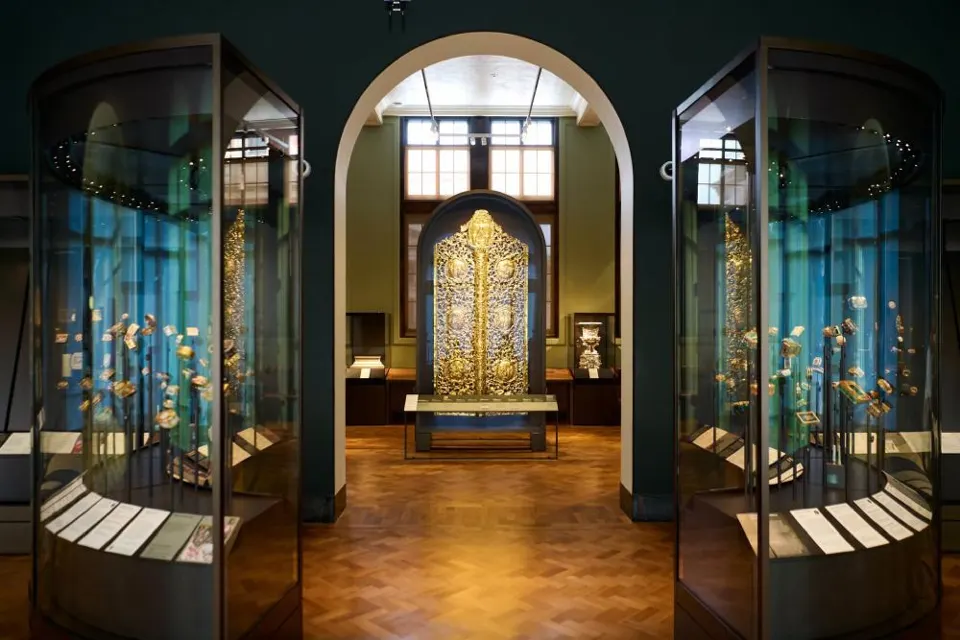
At the same time, Ukraine and the United Kingdom are developing other cultural ties as well: a joint Culture Commission is already at work, and in mid-September an exhibition of treasures from the Kyiv-Pechersk Lavra opened at the Victoria and Albert Museum.
Photos: from the official Tate Modern website