The legal framework for preserving heritage: how museum activity is regulated amid digital transformation
Preserving national heritage is one of the key priorities of a modern state that seeks not only to protect cultural property but also to ensure its accessibility for future generations. In the face of global challenges (war, migration, digitalisation), the role of museums as centres of memory and identity is growing. That is why the legal regulation of museum activity is critically important, and the relevant rules need constant updating.
The basic act in the museum field is the Law of Ukraine “On Museums and Museum Affairs”. It sets out the main principles of how museums operate and the procedure for creating, registering, preserving, using and promoting museum objects. The law also establishes guarantees of state support, requirements for the registration and protection of collections, and rules on the research, exhibition and educational activities of museums.
In addition, the museum field is regulated by other legal acts:
- the Law “On the Protection of Cultural Heritage”, which sets general rules for preserving monuments;
- documents on state cultural policy (for example, the Strategy for the Development of Culture in Ukraine until 2030);
- by-laws on the registration, restoration, preservation and insurance of museum objects.
Together these documents form a comprehensive legal basis that ensures the proper functioning of museum institutions.
Current state cultural policy focuses on supporting cultural infrastructure, decentralisation, inclusion, intercultural dialogue and digital transformation. The priorities are:
- preserving museum collections and ensuring their security;
- supporting small and regional museums;
- promoting cultural heritage internationally;
- developing digital services in culture.
In the context of war, important tasks have become the prompt digitisation and evacuation of collections, the creation of digital copies and the information security of museum databases. The state also supports initiatives aimed at training museum staff in IT and law.
One of the key areas in recent years has been the digital transformation of culture. The Ministry of Culture and Strategic Communications of Ukraine, in cooperation with NGOs and the IT sector, is introducing digital platforms that bring cultural heritage online.
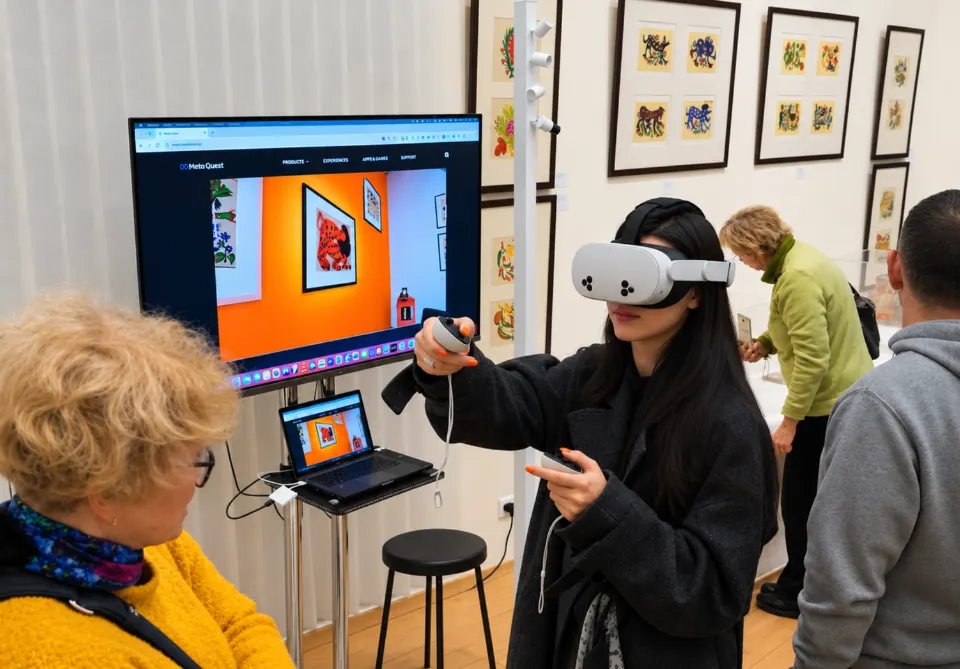
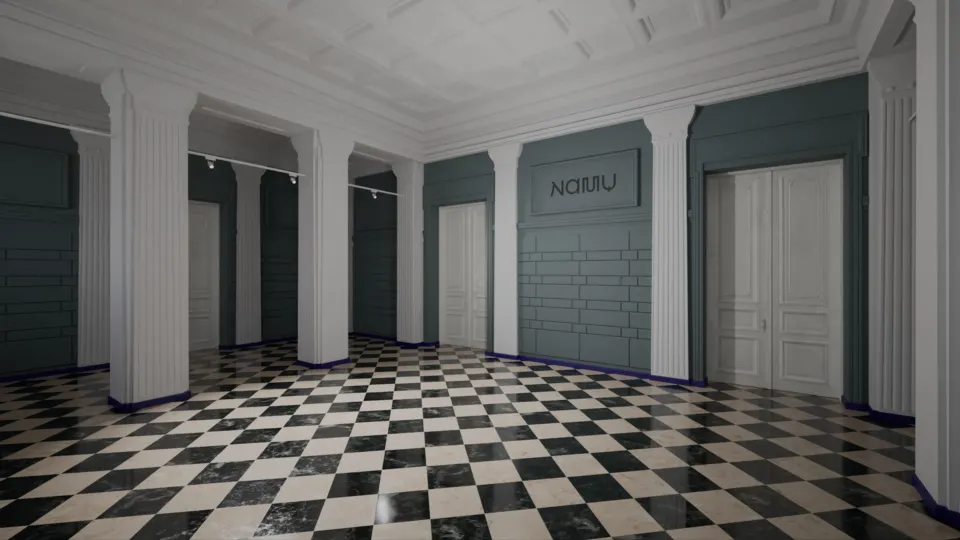
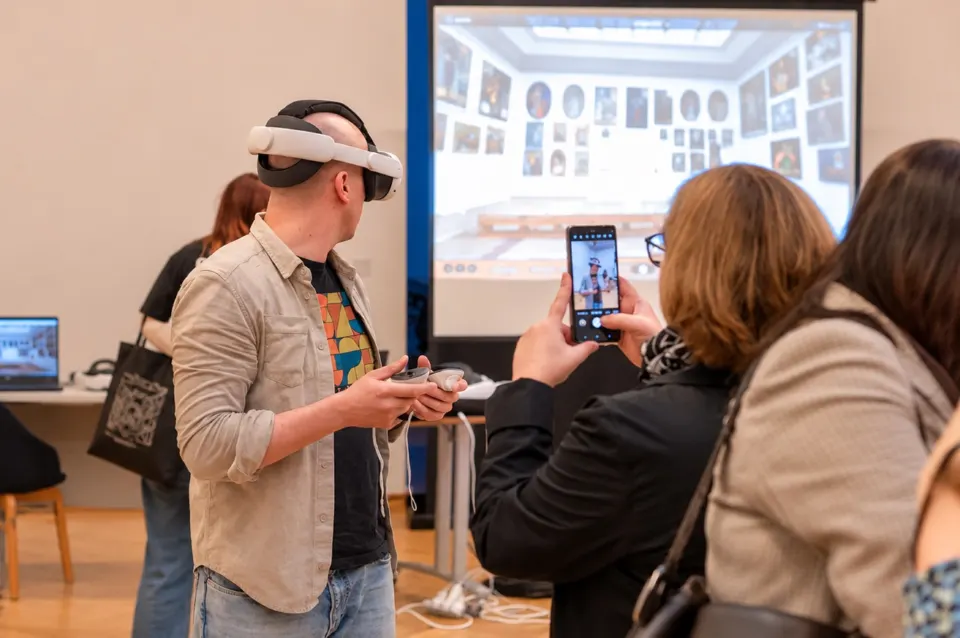
Projects such as the Register of the Museum Fund of Ukraine provide open access to museum collections, allow exhibits to be viewed in 3D, and let people explore interactive exhibitions and take part in virtual tours.
This initiative not only makes it easier to register and monitor the movement and preservation of artefacts but also opens new opportunities for researchers, educators, schoolchildren and the general public.
Digital tools are becoming not only a means of preservation but also a channel for communicating cultural memory beyond the physical museum.
The development of cultural heritage online must go hand in hand with updating the legal regulation of museum activity. In the new conditions museum work needs not only physical protection of exhibits but also legal support for digital solutions. It is important to create conditions in which the accessibility of cultural heritage online goes together with compliance with laws, security standards and ethical principles. The future of museums is a synthesis of tradition and innovation, and the law is the foundation that must guarantee this balance.