Copyright and digitisation: practical recommendations for museums
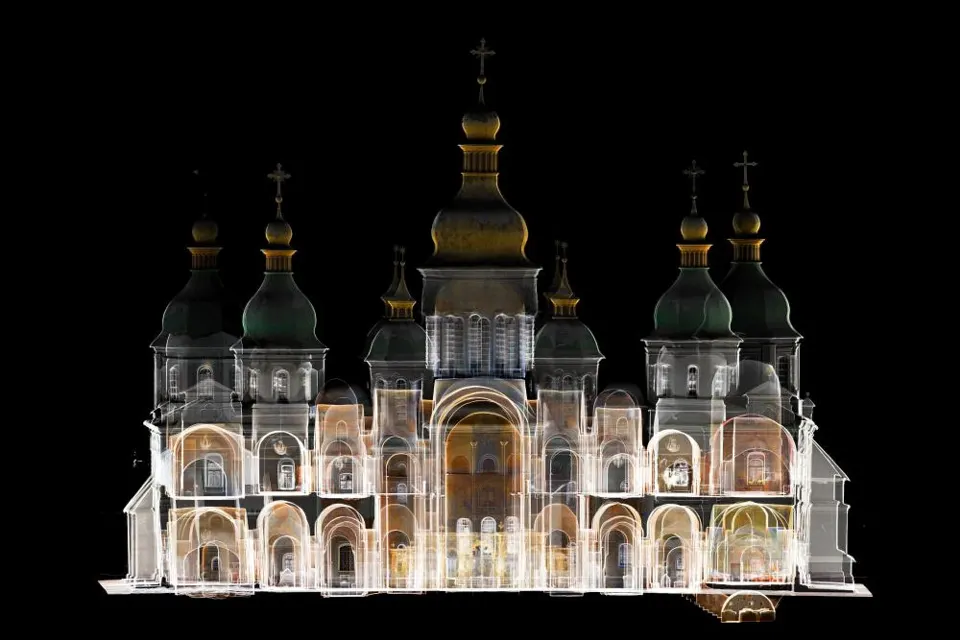
Digitising museum collections during the war is not only a way to make them available online. A digital copy preserves information about an object if the original is damaged, destroyed or stolen, and helps prove that it belongs to a particular Ukrainian museum when cultural property is returned.
But before photographing exhibits, publishing their images on a website or creating a virtual exhibition, museum staff need to find out who owns the rights to the work and to the result of its digitisation. Answers to these and other practical questions are collected in the “Recommendations for cultural institutions on respecting intellectual property rights”.
A museum object and the rights to a work
Owning a painting, sculpture or manuscript does not automatically mean owning the economic copyright in it. These rights may belong to the author, their heirs or another rights holder, and pass to the museum only under a contract.
Economic rights usually last for the author's lifetime and 70 years after their death. A separate rule applies to artists rehabilitated posthumously: the term is counted from 1 January of the year following the year of rehabilitation.
The brochure explains this with the examples of Mykhailo Boichuk, Vasyl Sedliar and Mykola Ivasiuk, whose works are still protected by law.
What can be digitised without permission
Museums open to the public may, without the rights holder's permission, make digital copies of works from their collections to preserve them or to replace lost, damaged or unusable copies. Such materials may be stored on museum servers or in closed cloud storage.
However, digitisation for preservation does not automatically give the right to publish the copy online, print it on souvenirs or pass it to other institutions. If a work is not yet in the public domain, such use requires the rights holder's permission.
Who owns the photos and virtual tours created
The recommendations separately consider the rights to photographs, 3D models and virtual tours. If a photographer chooses the angle, lighting and composition, the photograph may become a separate object of copyright. A museum should therefore define employees' rights in their job documents in advance and sign contracts with external contractors.
The brochure also analyses model situations involving commercial catalogues and souvenirs, transferring materials to online platforms and creating virtual tours.
These examples help to understand when a museum may use digital materials freely and when it must obtain the rights holder's permission or settle the rights in a contract.
Museums can store information about digitised collections on the National Museum Portal. It is a reliable state resource that helps systematise data on museum objects and preserve proof that they belong to Ukrainian museums.