Digitising collections: how new technologies preserve history
Museum collections are the silent memory of a people. Most of us see only a fraction of this heritage: exhibits in display cases, objects at exhibitions. But behind the scenes of every museum there is a whole world: tens of thousands of objects kept in storage and often inaccessible to viewers, researchers or teachers.
In today's world, where history can disappear not only with time but also through war, man-made disasters or simple indifference, digitisation has become not a luxury but a necessity. It is not just copying artefacts into digital format. It is a way to preserve the content even when the form has been lost.
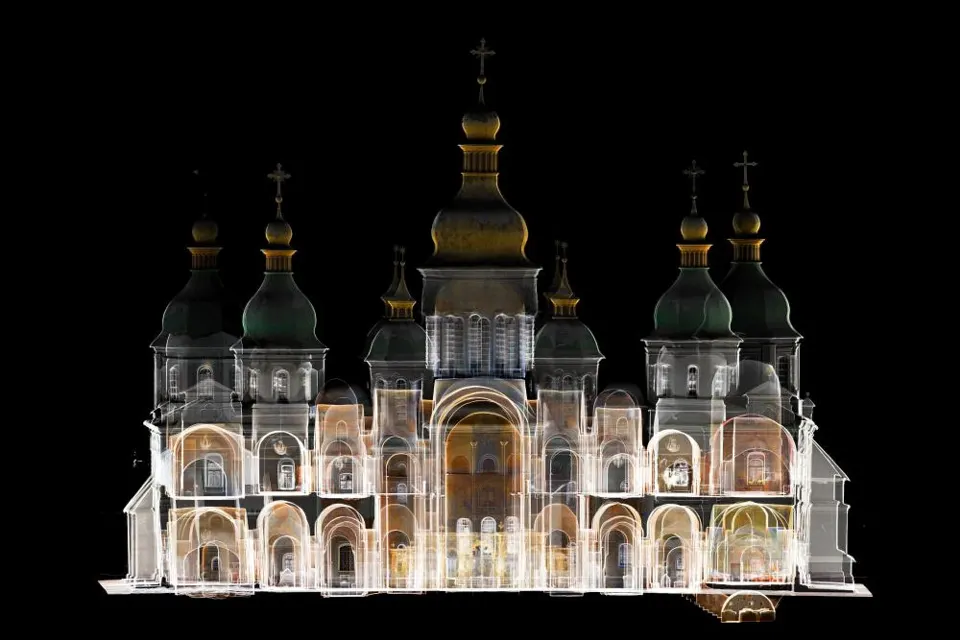
Thanks to photogrammetry, 3D scanning and the digitisation of manuscripts and archival materials, we gain new opportunities to study history. Materials once available only to a narrow circle of specialists become an open source for historians, teachers, students and artists.
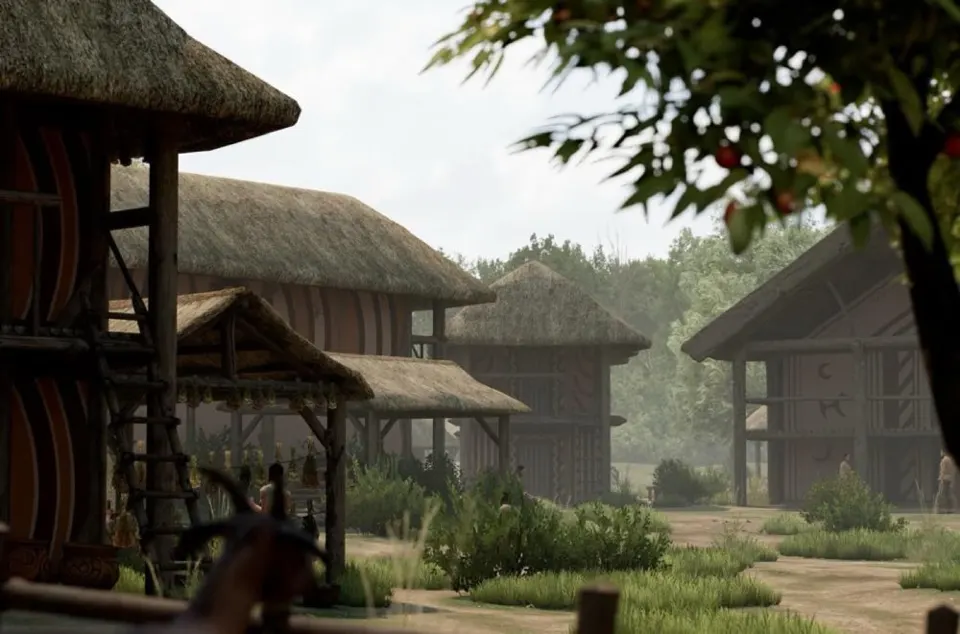
Digital space makes it possible to preserve not only the appearance of an object but also its history, context and symbolism. We can see the lyre played by Mykola Lysenko. Look inside a Trypillian dwelling recreated with a 3D model. Read documents that until recently lay in closed archives. And even when an object disappears, its image, function and knowledge remain with us.
The very philosophy of museum work is changing: from preservation “within the display case” to preservation “within human reach”. In time, in space, in digital form.
Yes, digitisation will not replace the original. But it gives history a chance to sound louder. And in the face of the challenges Ukraine is going through, it is one of the most reliable ways to save the past for the future.
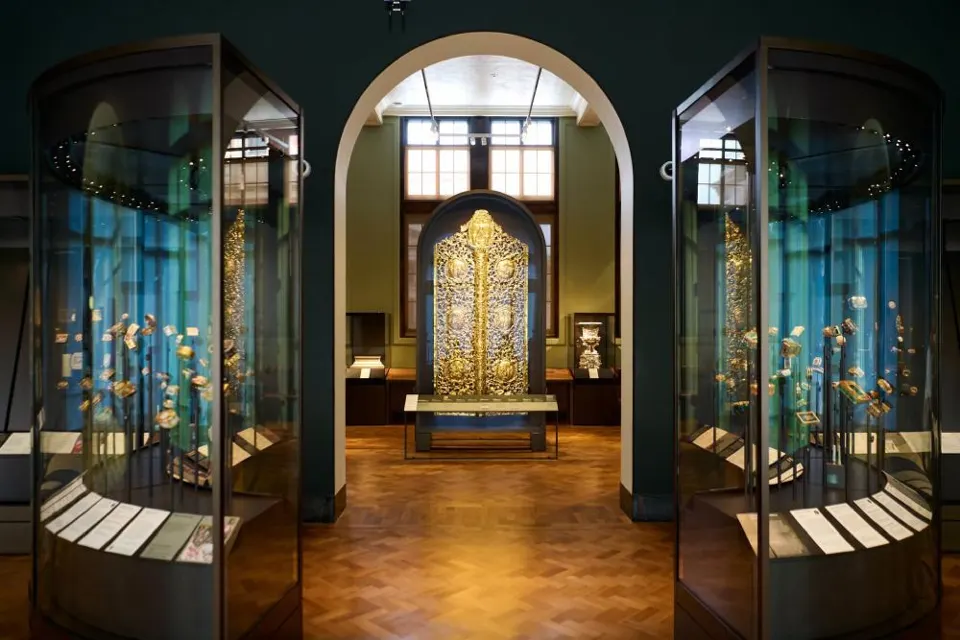
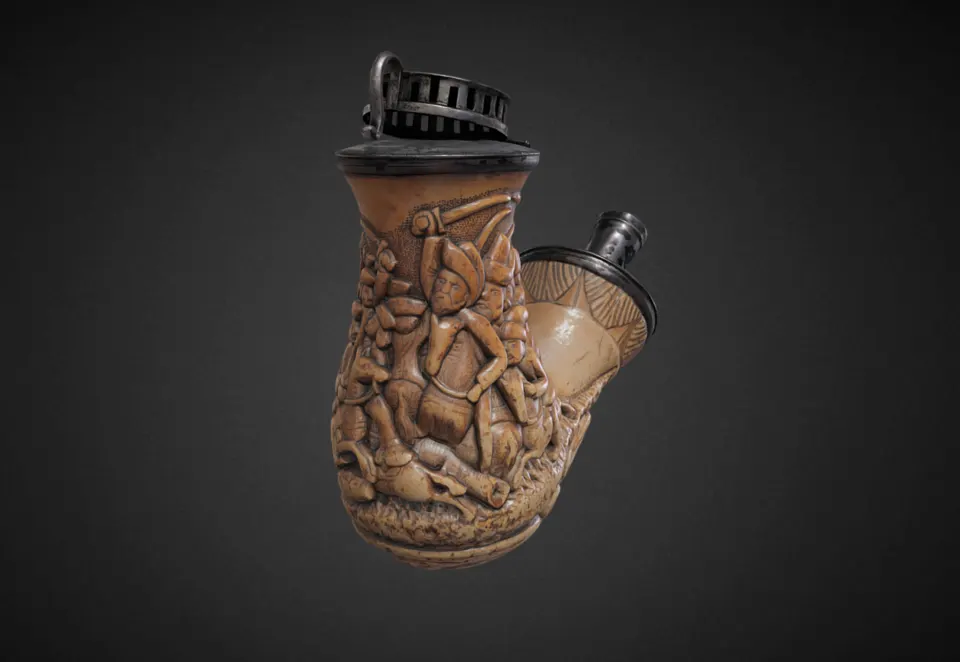
Cover image: an exhibit from the collection of the National Museum of the History of Ukraine