Where to go in Lviv: historical, art and interactive museums
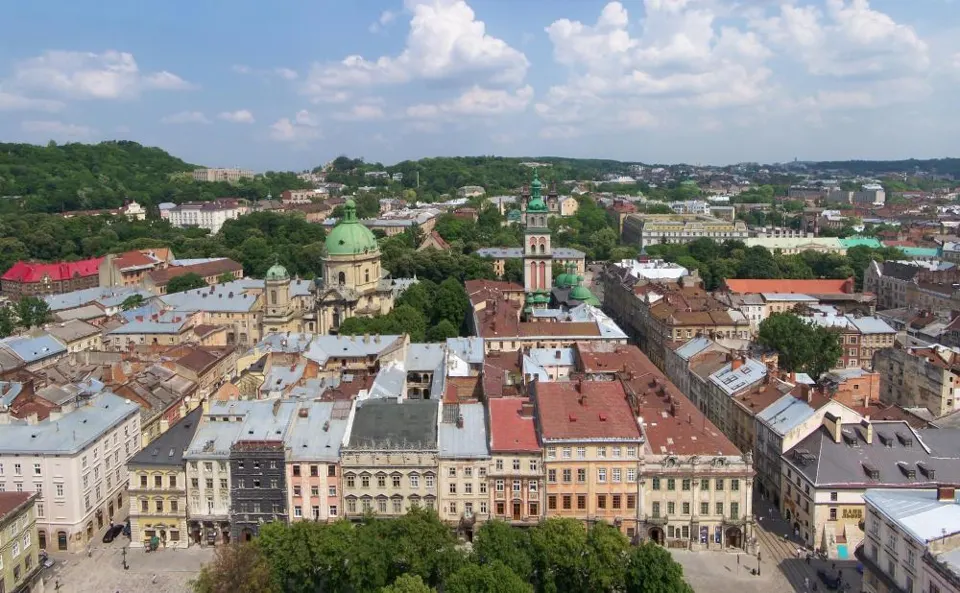
Narrow streets full of the aroma of coffee, cobblestones and rooftops that remember different eras. All this is Lviv, one of the most beautiful cities in Ukraine, where you should look not only at your feet but also up, to admire the local architecture in which different styles blend harmoniously.
Lviv's museums leave an equally vivid impression: here history comes alive in old interiors, rare exhibits and artefacts of different eras. Each of them tells in its own way about the city's centuries-old history and culture.
If you are looking for where to go or what to see in Lviv, this selection will come in handy. It brings together interesting Lviv museums worth visiting both for those who have come to the city for the first time and for those who have walked its streets many times.
Museums of Lviv: where to go first
Museum of the History of Ukraine, a department of the Lviv Historical Museum
Here you can trace the history of the Ukrainian lands from ancient times to the early 20th century.
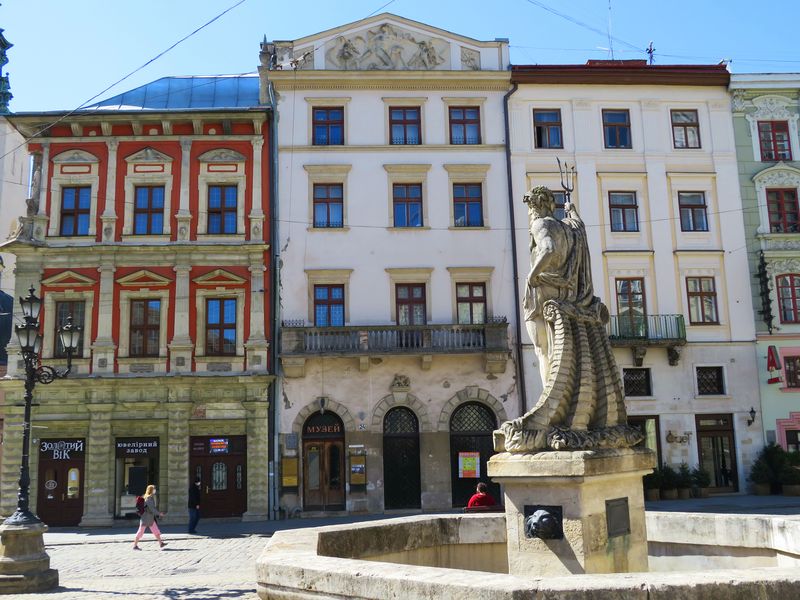
The museum is housed in the 16th-century Massari House at 24 Rynok Square. The display occupies four floors and covers the history of the Ukrainian lands from ancient times to the early 20th century. Among the most valuable exhibits are the Ostroh Bible of 1581, a Scythian akinakes sword and an 18th-century clock that showed not only the time but also the days of the week, the seasons and the phases of the Moon.
Allow at least one and a half to two hours to see the display. Afterwards you can drop into the Italian Courtyard, one of the most atmospheric corners of Lviv's historic centre.
“Ancient Lviv” Museum
Here the history of Lviv can be seen, heard and even smelled thanks to multimedia displays, soundscapes and the scents of different eras.
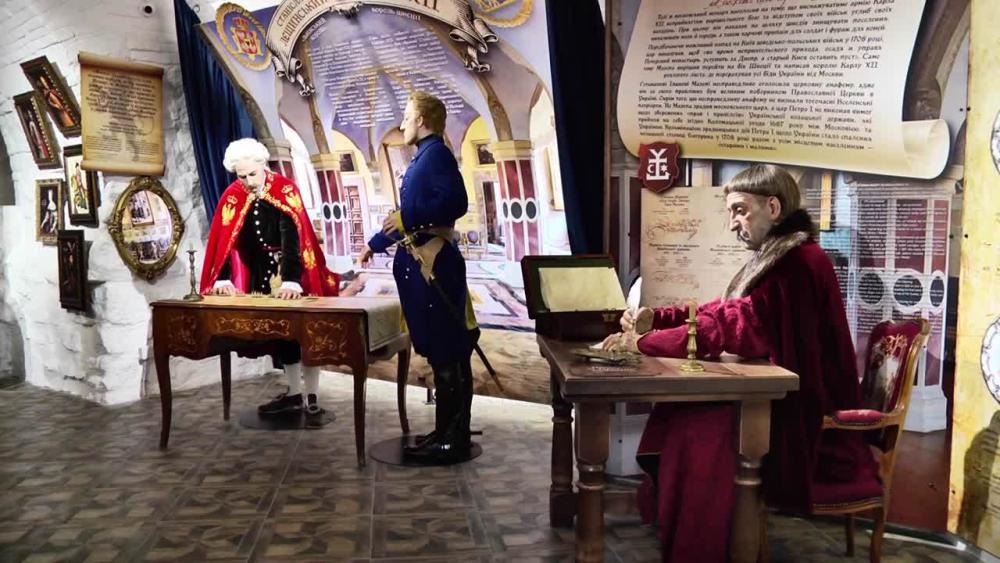
The museum introduces more than a thousand years of the city's history, from its founding to the end of the 18th century. Visitors will find 12 interactive displays, 3D dioramas and almost 40 lifelike figures of notable Lviv figures made of cyberskin and natural hair. A media guide is also available in nine languages.
The museum is at 21 Krakivska Street. Allow about an hour. If you want to quickly understand how Lviv took shape, start your acquaintance with the city here.
Lychakiv Cemetery Museum
One of the oldest and best-known necropolises in Europe, which today operates as an open-air museum. Its history began in 1786, and it covers more than 42 hectares.
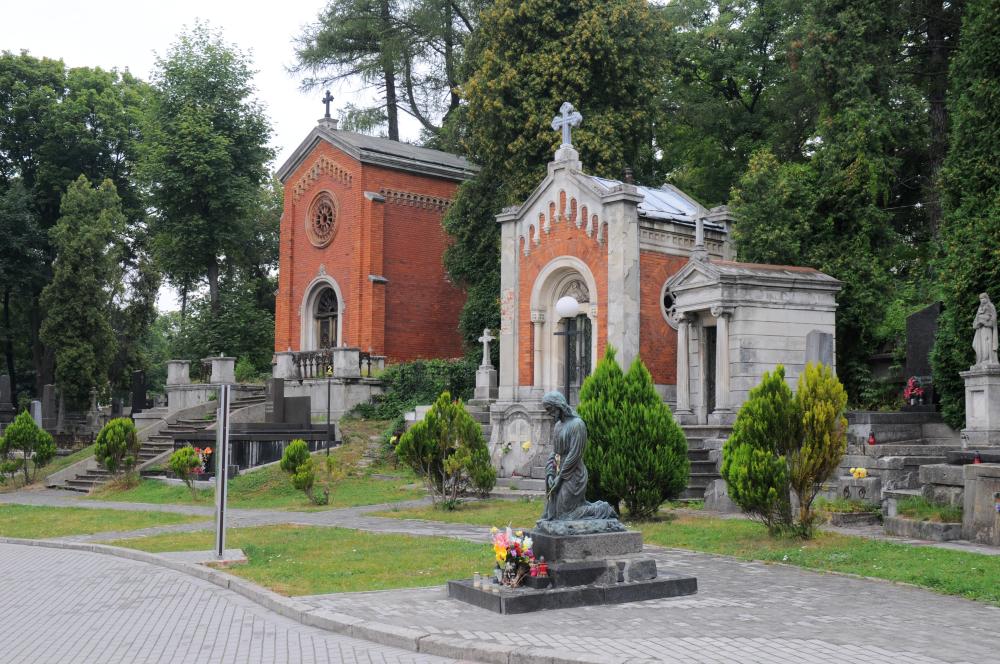
Family tombs, chapels, memorial complexes and about 500 sculptures and reliefs have survived here. Ivan Franko, Solomiia Krushelnytska, Volodymyr Ivasiuk, Iryna Farion, Stepan Hiha and many other prominent figures are buried at Lychakiv Cemetery. A special place is occupied by memorials to Ukrainian soldiers and the Field of Honorary Burials of today's defenders of Ukraine.
The museum is at 33 Mechnykova Street. Allow at least two to three hours for a walk. For a first visit, it is convenient to use an audio guide, a guide or a tour by electric car.
Lontskoho Street Prison Memorial Museum
One of the most emotionally difficult places in Lviv, preserving the memory of the victims of the Polish, Nazi and Soviet occupation regimes.
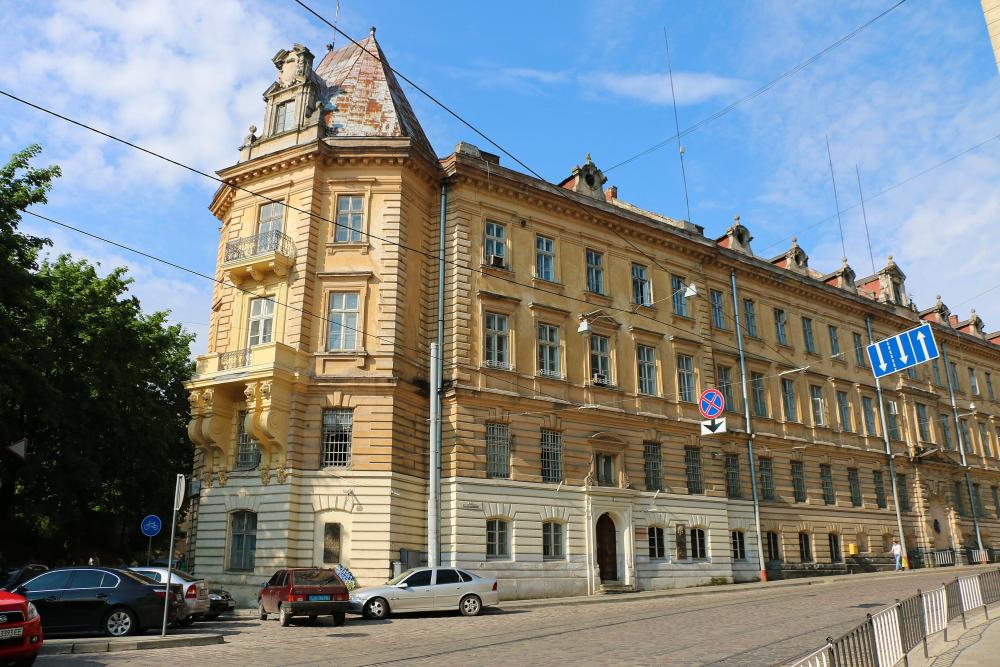
The museum is housed in a former prison where, in different years, political prisoners and members of the Ukrainian liberation movement were held, including Stepan Bandera, Yaroslav Stetsko, Iryna and Ihor Kalynets and Viacheslav Chornovil. The display tells about the history of the building, prison life and the mass executions at the end of June 1941. Here you can see authentic cells, including the death row cell, an investigator's office, declassified execution lists and rare photographs and film footage, and hear the memories of former prisoners.
The museum is at 1 Stepana Bandery Street. Allow about an hour, or at least an hour and a half with a tour. The display ends with a memorial stele bearing the names, known today, of those tortured to death in 1941.
Arsenal Museum
Ukraine's only state museum of weapons is housed in the real City Arsenal, a 16th-century defensive structure.
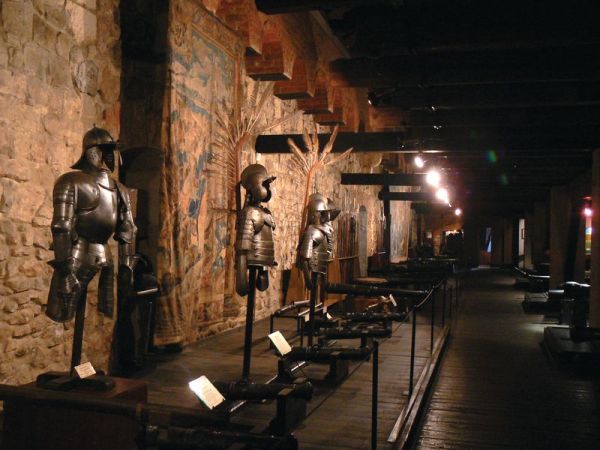
The ground floor is open to visitors with the exhibition “The Defence Industry of Lviv”, presenting more than 200 exhibits: 16th–18th-century cold steel and firearms, cannons, armour and protective equipment. The display also introduces the history of Lviv's city fortifications.
The museum is at 5 Pidvalna Street. Allow 45 minutes to an hour and a half. Here you can take a close look at reconstructed cannons and use themed photo zones.
Anatomical Museum of Lviv National Medical University
Founded in 1894 by Professor Henryk Kadyi, this Anatomical Museum is one of the oldest university museums of its kind in Ukraine. Its collection numbers more than 2,000 anatomical specimens.
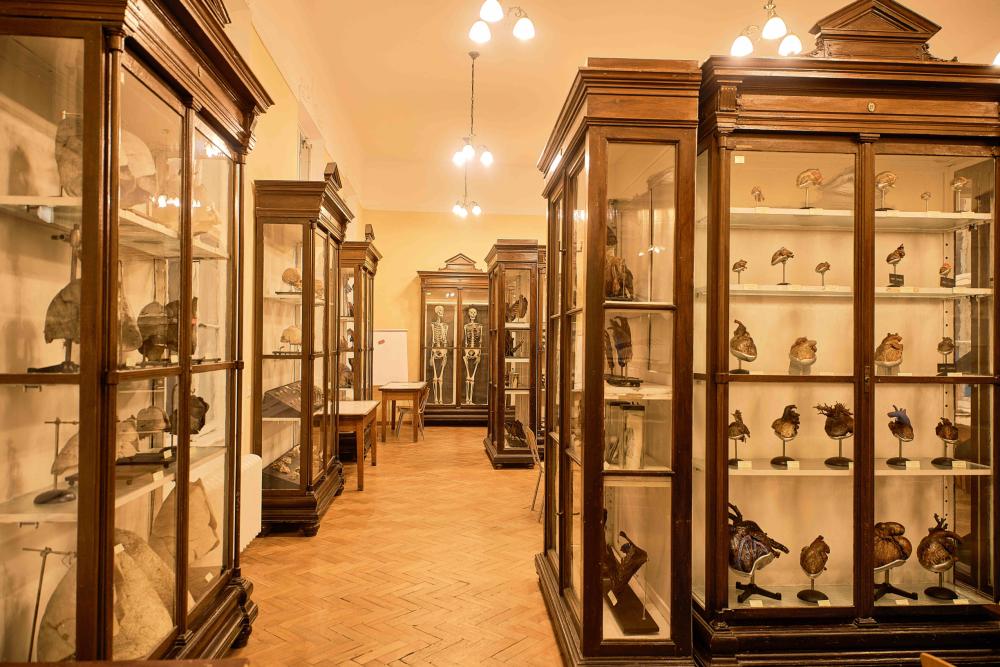
The display is located in three halls. Here you can see human and animal skeletons, internal organs, mummified anatomical specimens and the oldest exhibits kept in original Austro-Hungarian cabinets. Of particular note are the historic “Anatomical Theatre”, a library of 19th-century medical publications and an early 20th-century X-ray laboratory.
The museum is at 69 Pekarska Street. Visits are by appointment only. A standard tour lasts 45–60 minutes, an in-depth one up to two hours.
“Under the Black Eagle” Pharmacy Museum
One of Lviv's most interesting historical sights and the city's oldest working pharmacy. It has operated in this building since 1775, and since 1966 it has housed a museum of the history of pharmacy.

The display numbers more than 3,000 exhibits and occupies several halls, cellars and an inner courtyard. Here you can see old pharmacy scales, flasks, mortars, herbaria, pharmaceutical books, 14th-century amphorae and a recreated medieval alchemist's laboratory.
The pharmacy is at 2 Drukarska Street, near Rynok Square. Allow about an hour. After your visit you can buy the famous Lviv “iron wine”, the pharmacy's signature tonic.
Klymentii Sheptytskyi Museum of Folk Architecture and Rural Life
Shevchenkivskyi Hai is a journey through the western regions of Ukraine without leaving Lviv. On more than 36 hectares, micro-villages of Boikivshchyna, Lemkivshchyna, Hutsulshchyna, Bukovyna, Podillia, Zakarpattia and the Lviv region have been recreated.
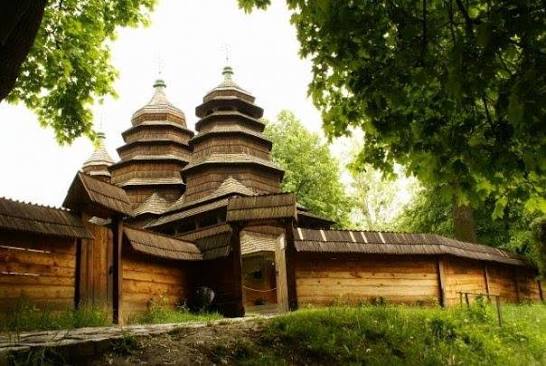
The open-air museum holds more than 100 architectural structures and almost 22,000 household items. Here you can see old houses, mills, wooden churches and the largest collection of sacred buildings in Europe.
The museum is at 1 Chernecha Hora Street. Allow at least two to three hours for a walk. Traditional craft workshops are also held here, and in some homesteads you can try on folk costume.
Museum of Glass
Ukraine's only museum devoted to the art of glass combines archaeological finds with works by contemporary artists from around the world.
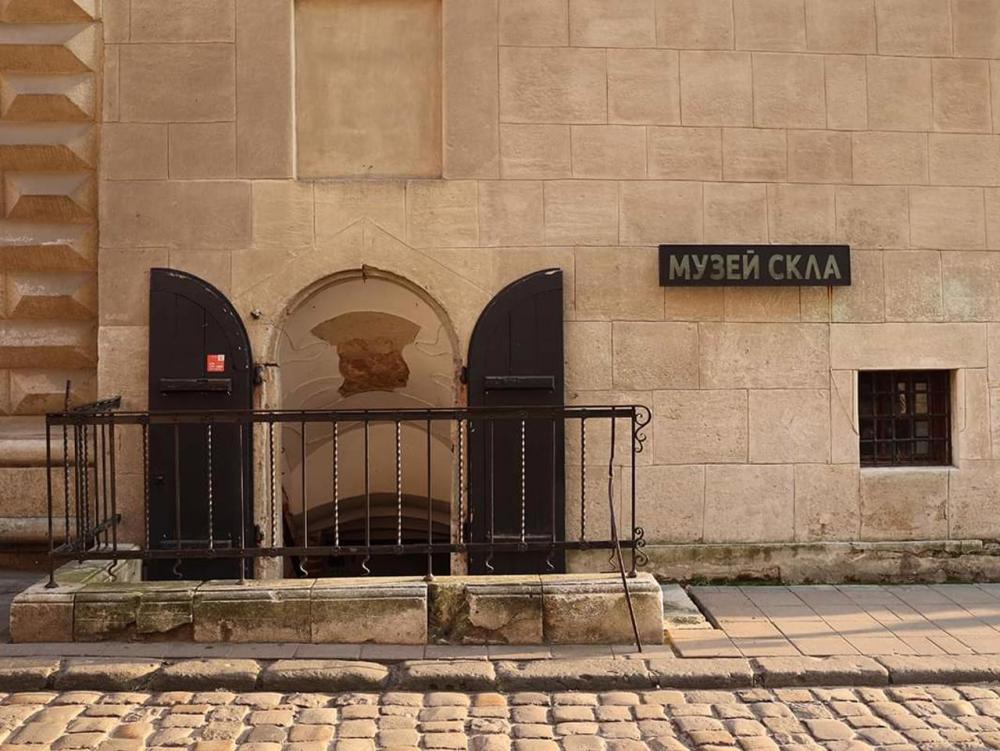
The historical part of the display traces the development of glassmaking from the 1st–2nd centuries to the princely era. Here you can see ancient vessels, beads, bracelets and other archaeological finds. The contemporary collection consists of works by participants of the International Symposia of Hot Glass.
The museum is located in the Gothic cellars of Palazzo Bandinelli at 2 Rynok Square. Allow about an hour. There is also an interactive technology room, an audio guide and a museum quest with nine chests.
Science Museum
The Science Museum is aimed primarily at children and teenagers, but its interactive exhibits are just as interesting for adults. More than 90 exhibits on physics, technology and natural phenomena are spread over more than 2,200 m².
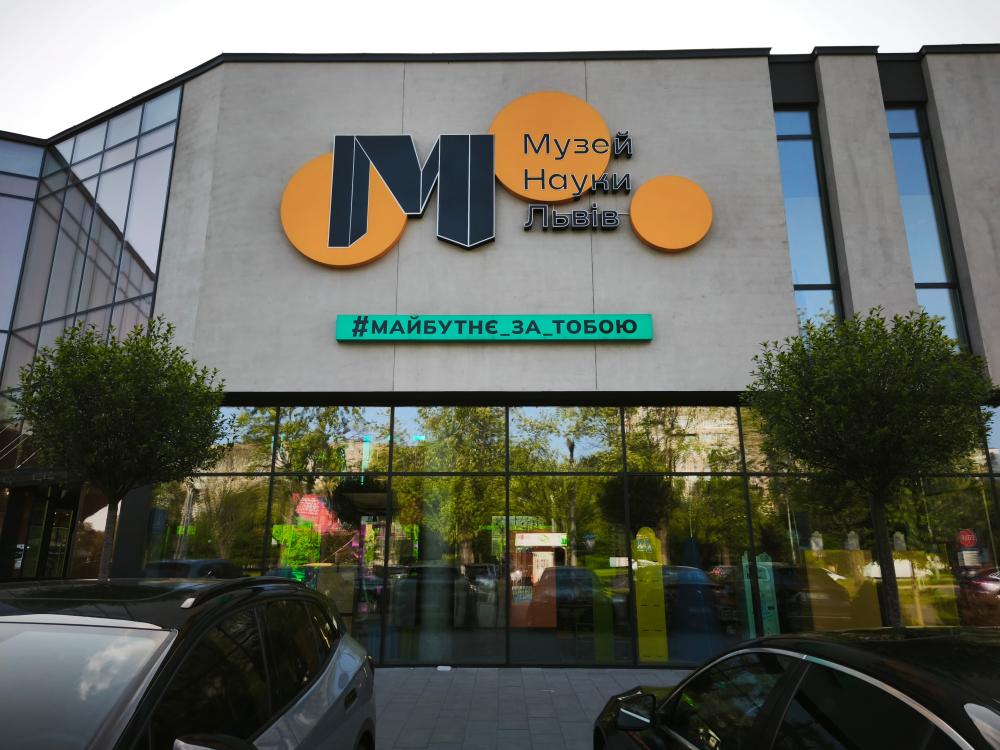
Here you can talk to the RoboThespian robot, control a KUKA robotic arm, see a Tesla coil in action, try VR attractions or sit behind the wheel of a Formula 1 car.
The museum is at 200A Stryiska Street. Allow at least two hours, as most exhibits are designed for interaction. The space has a lift and is accessible for visitors with reduced mobility.
Other interesting museums in Lviv worth visiting
These are only some of Lviv's interesting places. If you have more time, look out for displays devoted to the liberation struggle, the history of religion, nature and outstanding Ukrainian figures. The city also has the “Third after Midnight” Museum in the Dark, the “In the Footsteps of Galician Jews” museum, the Museum of Ideas and the Lvivarnia Museum of Beer Culture.
Save this selection and browse other materials in the “Museums of Ukraine” section to find new interesting places in different cities of the country.