Museums that preserve the soul of Halychyna
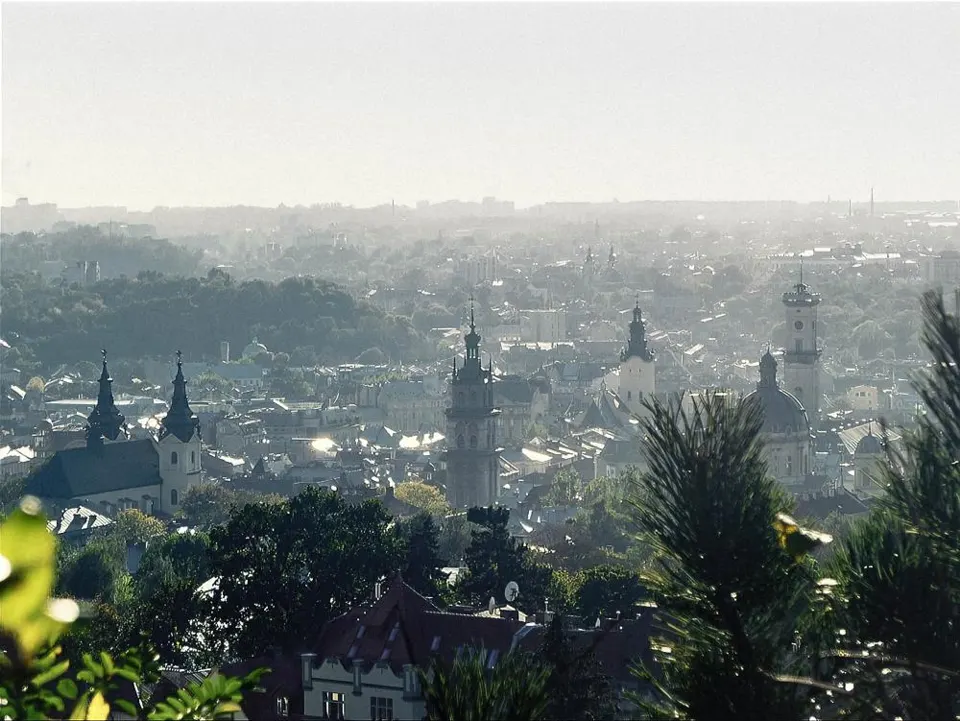
Halychyna (Galicia) is a space where history, faith and art are woven into a single cultural code shaped over centuries. The museums of this region have become repositories not only of unique artefacts but also of a living memory of the people, traditions and events that defined the face of Western Ukraine. Their halls preserve the spirit of town and village, the sacred silence of church art, and the voices of the artists and craftsmen who created Galician identity.
In this article we decided to show the largest museums, each of which tells its own story about a land that knows how to remember, protect and pass on its cultural heritage to future generations while remaining open to contemporary dialogue and new meanings.
Andrey Sheptytsky National Museum in Lviv

The Andrey Sheptytsky National Museum in Lviv is the largest art museum in Ukraine, founded in 1905 as a private foundation of Metropolitan Andrey Sheptytsky and solemnly presented as a gift to the Ukrainian people in 1913. From the outset its development was led by the outstanding scholar Ilarion Svientsitskyi, who laid the foundations of one of the country's most important museum collections.
Today the museum holds more than 175,000 works, among which a special place belongs to a unique collection of Ukrainian sacred art of the 12th–18th centuries, as well as fine art, graphic art and decorative art of the 19th–20th centuries and the present day. Housed in a monumental late 19th-century Neo-Renaissance building, the museum presents the permanent display “Ukrainian Art of the 12th to Early 20th Century”, which comprehensively reflects the evolution of national artistic culture over nine centuries.
Lviv Historical Museum

The Lviv Historical Museum is one of the oldest and richest museums in Ukraine, which in 2023 celebrated the 130th anniversary of its founding. Created in 1893 as the Historical Museum of the City of Lviv, in 1940 it was reorganised into its present form by merging with the King Jan III National Museum and absorbing the collections of other renowned Lviv museums.
Today the museum's collection numbers more than 370,000 items, including unique manuscripts and early printed books of the 12th–17th centuries, old graphic views of Lviv, weapons, orders, photographs and numismatic collections of world importance. The museum is visited by about 400,000 people a year, which confirms it as one of the key treasuries of historical and European cultural heritage.
“Shevchenkivskyi Hai” Museum of Folk Architecture and Rural Life
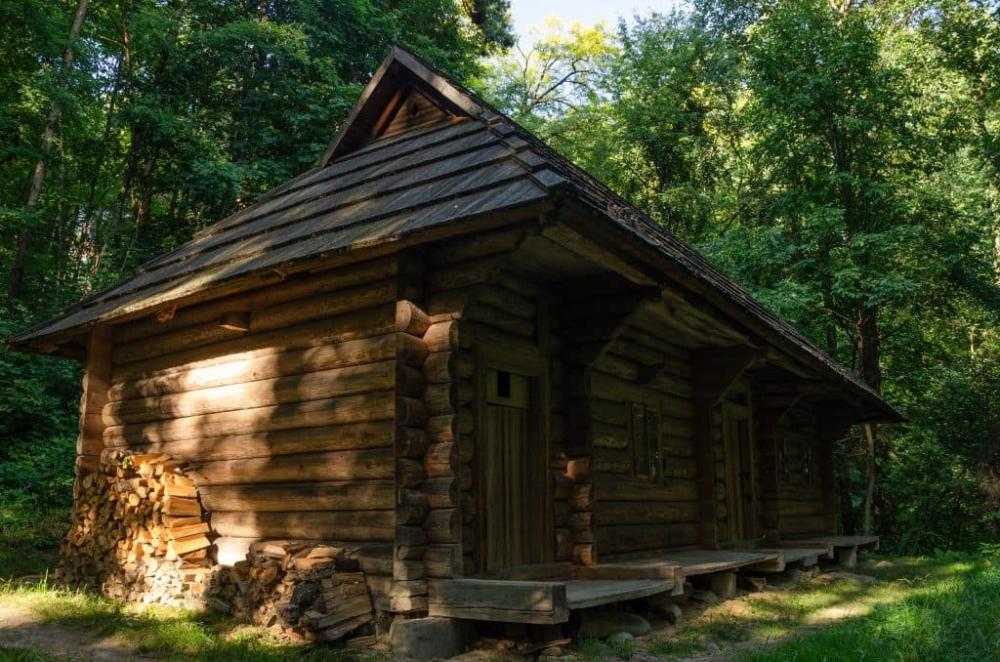
The Klymentii Sheptytskyi Museum of Folk Architecture and Rural Life in Lviv is an open-air museum founded in 1971 and one of the largest skansens in Ukraine and Europe. On 36.6 hectares it preserves more than 100 architectural structures and almost 22,000 museum objects representing the traditional culture, folk architecture and everyday life of the western regions of Ukraine, from Boikivshchyna and Lemkivshchyna to Hutsulshchyna, Bukovyna and Podillia.
A walk around the museum becomes a journey through time and space: the oldest house dates from 1749, and the unique collection of sacred buildings is the largest in Europe. Today the skansen is a living cultural centre with traditional festivals, workshops and craft practices. Over its existence it has been visited by at least 5 million people, and it is also known as the Lviv Skansen or Shevchenkivskyi Hai.
Still, to immerse yourself fully in the soul of Halychyna, after visiting these museums you should set off into the region and explore the small local history museums and the estate museums of famous figures. It is there, in the quiet of villages and small towns, among preserved interiors, family belongings and local stories, that Halychyna reveals itself as a living memory in which everyday life, spirituality and the invisible continuity of tradition come together.