Mariupol Museum of Local History: how the team preserves the memory of lost collections
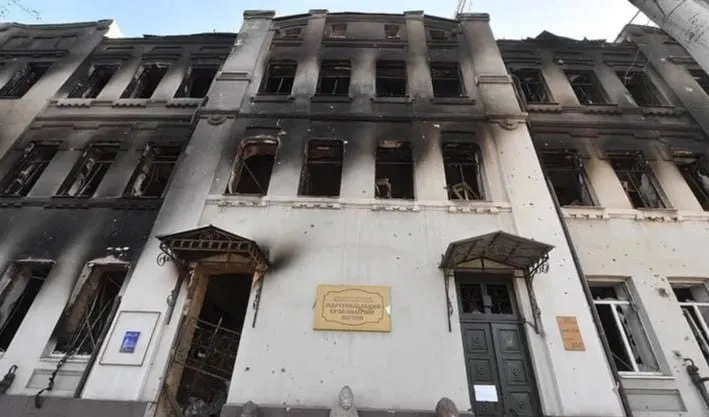
Today it is impossible to come to the Mariupol Museum of Local History for a tour. Its staff have no access to the building, and the fate of many objects from the collection remains unknown. A large part of the museum's holdings was illegally taken away by the Russians, and some exhibits may have been destroyed or lost during the fighting.
But the museum continues to exist: in exhibitions, research, public lectures and the work of the people who preserve the memory of its collections. Using the surviving inventory books, photographs and descriptions, the team is rebuilding an electronic catalogue of the collection. Information about some 1,700 paintings and graphic works has already been gathered.
This work matters not only for the museum. Documenting each object helps to prove that it belonged to Ukraine, to search for illegally removed exhibits and, in future, to seek their return.
Read on to learn what the Mariupol Museum of Local History was like before the occupation, what is known about the fate of its collection and why digital records of museum holdings have become one of the tools for protecting Ukraine's cultural heritage during the war.
The Mariupol Museum of Local History before the full-scale invasion
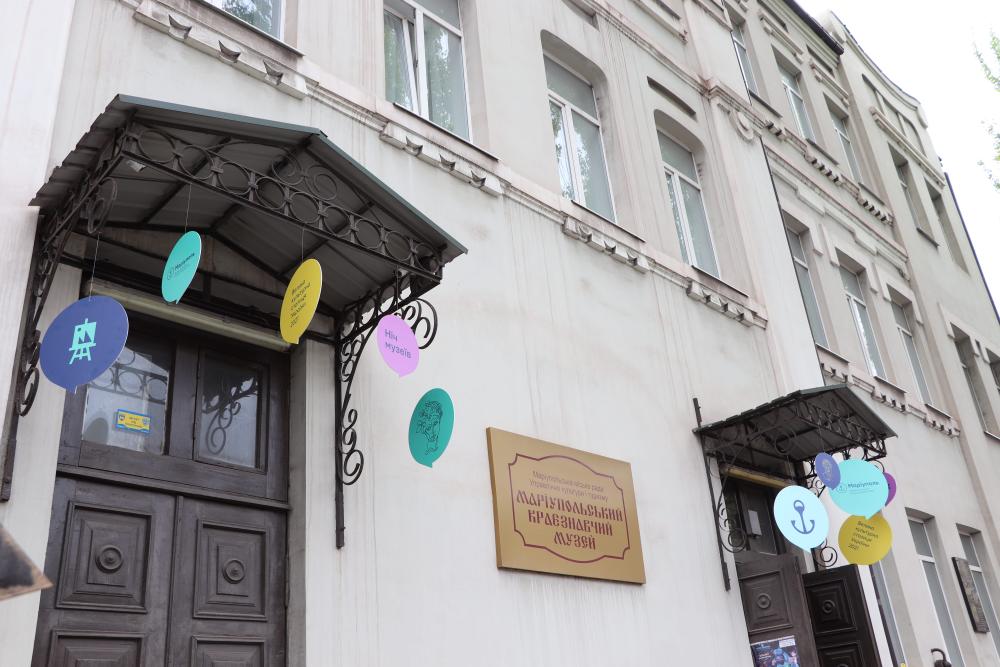
The Mariupol Museum of Local History was one of the oldest museums in Donetsk Oblast and the entire Azov Sea region. Its history began in 1920, and before the full-scale Russian invasion its collection held more than 60,000 objects.
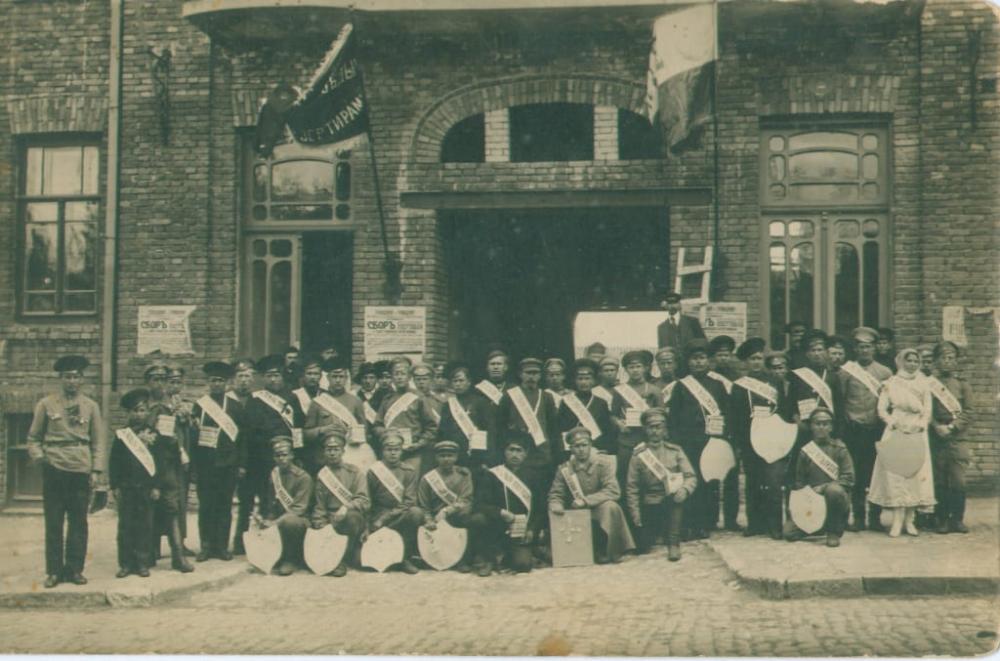
The museum complex also included the Arkhip Kuindzhi Art Museum and the Museum of Folk Life. Together they presented the history, nature, art and multicultural heritage of Mariupol and the Azov region.
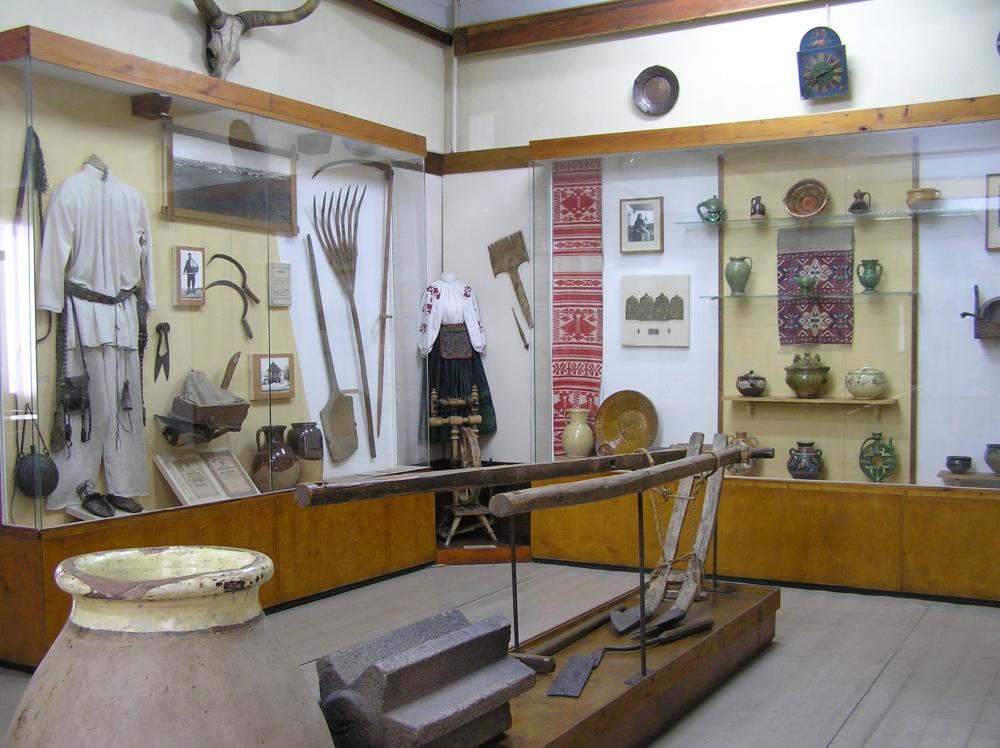
The collections included archaeological finds from the Stone Age to the Cossack era, artefacts of the Greek culture of the Azov region, ethnographic materials, documents, photographs and household items. Separate collections comprised painting, graphic art, numismatics and natural history.
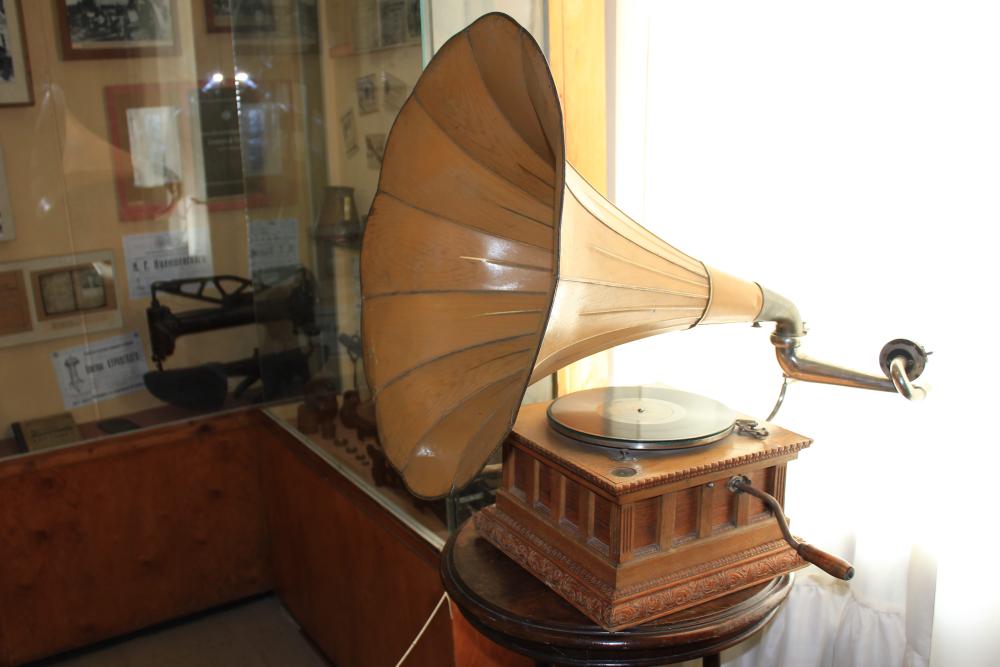
For several generations of residents these museums were the place where they first encountered Mariupol's past. Through individual objects, documents and works of art, they told who lived in the city, how it changed and which cultures made up its history.
What happened to the Mariupol museum under occupation
From 24 February 2022 Mariupol was under Russian shelling. The city was quickly encircled, and the continuous fighting made it impossible to evacuate tens of thousands of museum objects.
Some of the staff were able to leave only when there was a chance to save their own lives. By then it was no longer possible to remove the museum's holdings, so the main collection remained in occupied Mariupol.
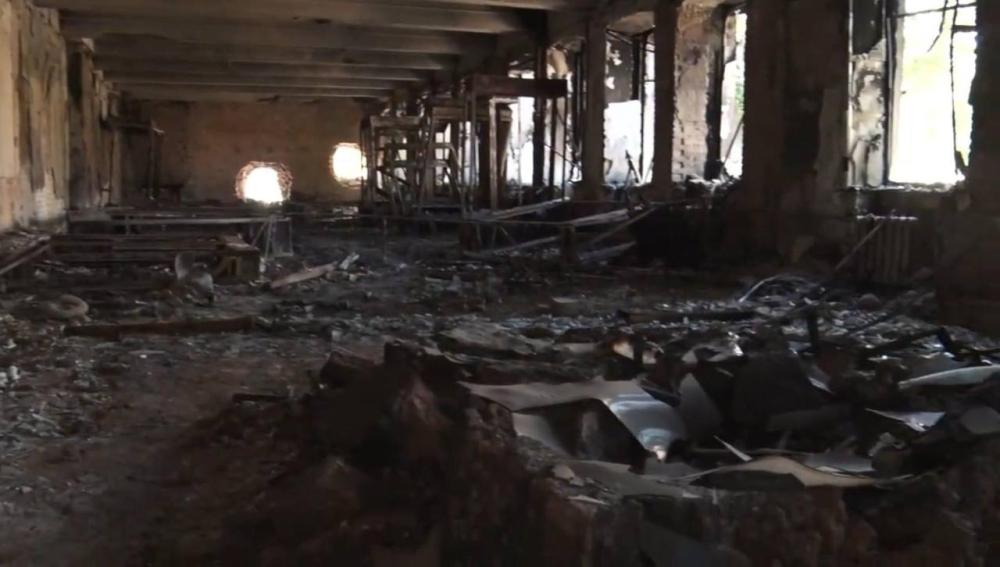 The building of the Mariupol Museum of Local History was damaged by the invaders' attacks. But its collections suffered the greatest losses. A large part of the collection was illegally removed from the city by the Russian occupation administrations.
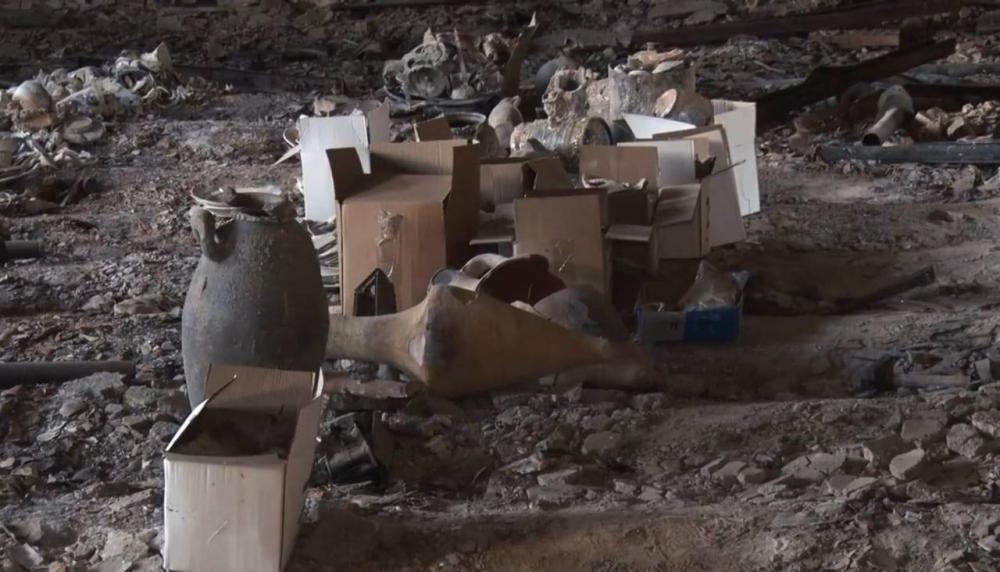 The fate of many exhibits is still unknown. Some may have been lost or destroyed during the war. Other objects may have been moved to museums and storage facilities in the temporarily occupied territories or in Russia.
It will only be possible to determine definitively what remains in the collection, what was destroyed and what was stolen by the occupiers after the liberation of Mariupol and a full check of the collection.
How the theft of cultural property by the occupiers is documented
The Mariupol Museum of Local History has become one of the most striking examples of Russia's crimes against Ukrainian cultural heritage. Its story shows why Ukraine's lost museum collections need to be documented now.
The Ukrainian side records the illegal removal of museum collections and the loss of individual holdings. The information gathered is to become the body of evidence for future international investigations. It is also needed to search for objects and return cultural property to Ukraine.
But it is not enough just to find an item that looks like an exhibit from the Mariupol collection. Its origin, characteristics and inventory number must be established, and it must be proven that before the occupation it belonged to this particular museum.
That is why documenting war crimes against cultural heritage involves restoring information about every museum object. Inventory books, collection descriptions, photographs and other records can confirm that an exhibit existed and belonged to the collection.
How a museum without walls continues to work
After the occupation, the Mariupol Museum of Local History did not stop working. Its team continues research, exhibition and educational work in various cities of Ukraine.
The museum staff create projects about Mariupol's cultural heritage, give public lectures and take part in conferences and professional discussions on preserving museum objects under shelling. They also help record crimes against Ukrainian cultural heritage.
Since the start of the full-scale invasion, the team has held the exhibitions “Inscribed in History. Destroyed by War”, “Fragile, Handle with Care!”, “3011: Faces of the Unbroken” and “Engraved / Tempered”. The book “Slavik. A Museum in the Basement” was also published, and the memorial project “Mariupol Remembers” continued its work.
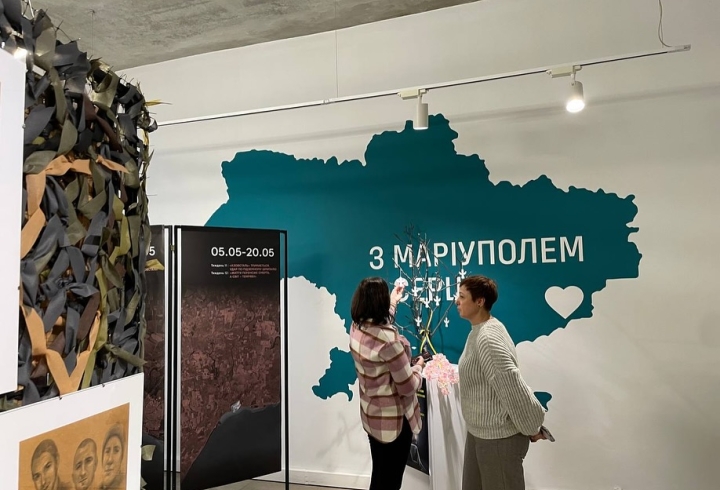
In fact, today the museum exists thanks to its staff. Without access to the building and most of the collection, they continue to tell about Mariupol and preserve information about the collection.
Digital recovery of Mariupol's museum collections
One of the main areas of work has been an electronic catalogue of the museum's holdings. It is being created from digital copies of inventory books, descriptions, archival photographs and other documentation that miraculously survived.
The project is carried out in cooperation with the Raphael Lemkin Society, the NGO “Museum of Contemporary Art” and the HeMo Ukrainian Heritage Monitoring Lab. The work is supported by the Ministry of Foreign Affairs of the Kingdom of the Netherlands and the Penn Cultural Heritage Center.
The electronic catalogue currently contains about 1,700 paintings and graphic works. Later it is to include information about the archaeological, historical, ethnographic and other museum collections.
Each restored record confirms that a particular object existed and was part of the holdings of the Mariupol Museum of Local History. This makes it possible to gradually reconstruct the structure of the scattered collection, even without physical access to it.
Digitising museum collections makes it possible to gradually reconstruct the structure of scattered holdings, even without physical access to them. Each record confirms the existence of an object and its belonging to the Mariupol Museum of Local History, and in future may help to identify an illegally removed exhibit.
Why the Register of the Museum Fund of Ukraine is critically important in wartime
The story of the Mariupol Museum of Local History shows how vulnerable records are if information about a collection is kept only in the museum building.
Paper inventory books and cards can burn in a fire, be damaged by water during firefighting, remain under rubble or be stolen by the occupiers. Together with computers and local electronic catalogues, a museum can lose information without which it is difficult to identify objects and prove they belong to the collection.
The Register of the Museum Fund of Ukraine makes it possible to store information in a state digital system. In effect, it is a backup copy of museum records that cannot be destroyed together with the building or carried off together with the exhibits.
Entering collections into the Register will not protect the object itself from a Russian missile or theft. But the state will retain access to its description, provenance and other information, even if the museum loses its original documentation.
So listing museum holdings online and digitising Ukraine's museums is not just a matter of convenience or development. In wartime it is a way to ensure that information about museum objects does not disappear along with them.
How the Register of the Museum Fund of Ukraine and the National Museum Portal can present a museum
Digital data are needed not only by museum staff and law enforcement. Once information is entered into the Register, the museum can present its collection to a wide audience through the National Museum Portal.
For a museum that has lost access to its own building, this is an opportunity to remain visible. Its objects can be seen by researchers, potential partners and investors, and Ukrainian and international audiences.
At the same time, a public digital presence will show that the institution continues to work and develop despite the occupation of the city.
What help the Mariupol Museum of Local History needs
Already today the museum needs to continue the digital documentation of the collection and the filling of the electronic catalogue. The more objects are described, the more information will be preserved for their future search and return.
The international search for illegally removed exhibits and the legal recording of Russia's crimes against cultural heritage remain no less important. This work requires long-term cooperation between museum professionals, researchers, Ukrainian state institutions and international partners.
The museum team, working without access to its building and main collection, also needs support. Continuing exhibition, research and educational projects helps maintain the link between the museum, Mariupol and its residents.
The future of the Mariupol Museum of Local History is not just about restoring the building after liberation. Rebuilt walls alone will not bring back the museum objects or recreate the information about them, everything that preserved the memory of the city for centuries. That is why the museum staff are already gathering this information piece by piece, so that after Mariupol is liberated there will be a foundation on which the museum can be reborn.
Photos courtesy of the Mariupol Museum of Local History