Museums you cannot visit: what Google Street View has preserved
The panoramic view feature provided as an extension of Google Maps appeared on 25 May 2007 and at first covered several US cities. Today Street View covers 52 countries. It is not only about navigating streets: indoor panoramas can be added to locations, including museums.
Before the full-scale invasion, these virtual museum tours were tools for promoting cultural heritage. Before visiting a museum, tourists could see what it looked like outside and inside.
After the full-scale invasion, digital tours took on a new and unexpected significance: they became important archival material. Museums were forced to take down their displays and remove or hide their most valuable exhibits. Some institutions in eastern and southern Ukraine were temporarily occupied. Sadly, some have also been destroyed or damaged as a result of Russian aggression.
“Virtual tours are just one manifestation of a broader process of digitising culture, which is changing the very logic of access to heritage. It is not only about convenience or new formats of interaction, but about building a fully fledged digital infrastructure for culture: open, systematic and ensuring the presence of Ukrainian heritage in the global space,” stressed Deputy Minister of Culture of Ukraine for Digital Development, Digital Transformation and Digitalisation Anastasiia Bondar. “At the same time, in the context of war, technologies take on a much deeper meaning. Digital tools are becoming part of the evidence base for investigative bodies, a basis for searching for stolen cultural property and countering its illegal removal. Recording displays, digitising collections and creating virtual tours are no longer only about promotion but also about preserving facts and restoring justice.”
According to her, in many cases digital materials may remain the only source of reliable information about objects and displays that have been destroyed or damaged. That is why digitising culture today is not only about development but also about protection, memory and responsibility to future generations.
Google Street View preserves virtual tours of some museums made before 2022, which today are available to users around the world only in this format.
Among them:
Hryhorii Skovoroda National Literary Memorial Museum
(Skovorodynivka, Kharkiv Oblast; destroyed by a Russian missile strike on 6 May 2022)
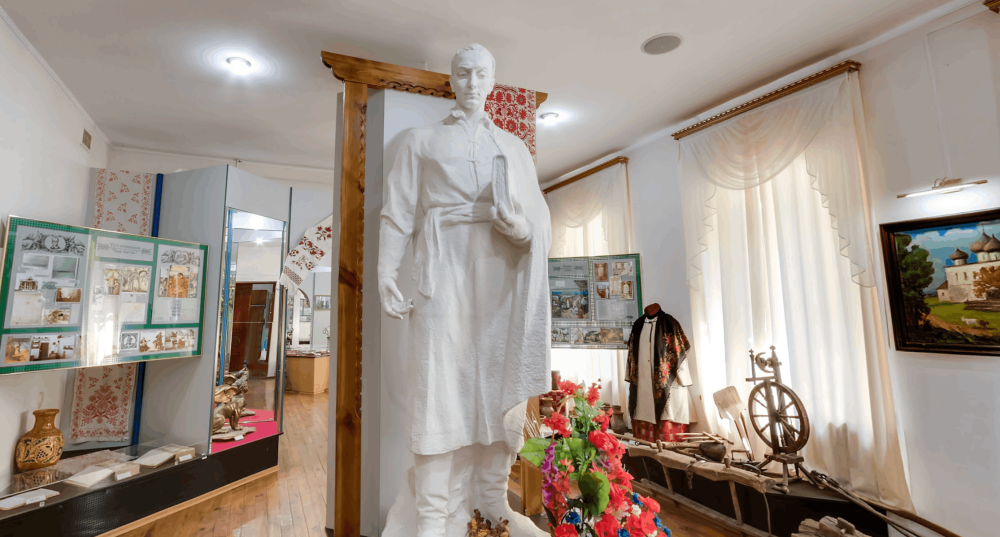
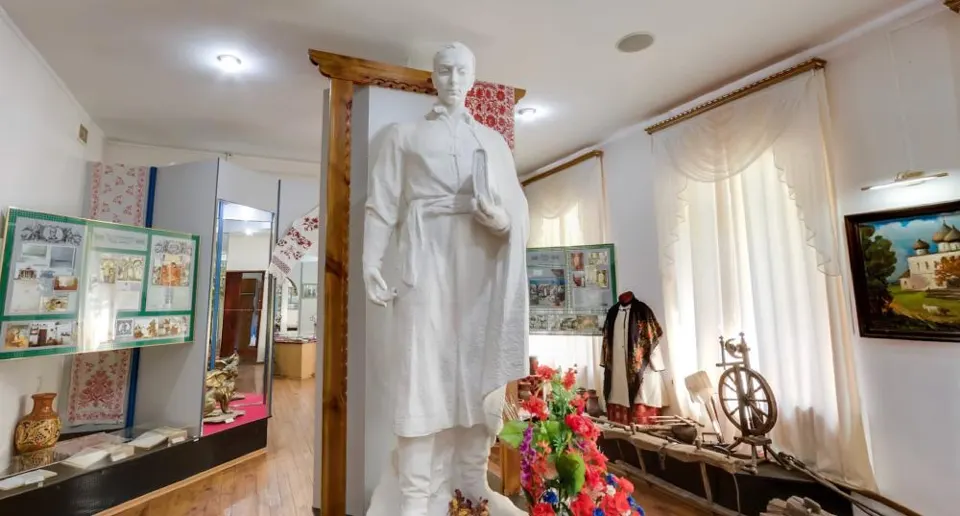
A memorial complex of 18th-century monuments devoted to the life and work of Hryhorii Skovoroda. The display included paintings and graphic works, household items and clothing of the time, editions of his works and books about Skovoroda. The interiors were decorated with folk decorative art: ceramics, embroidery and more.
Donetsk Regional Art Museum
(Donetsk, temporarily occupied territory)
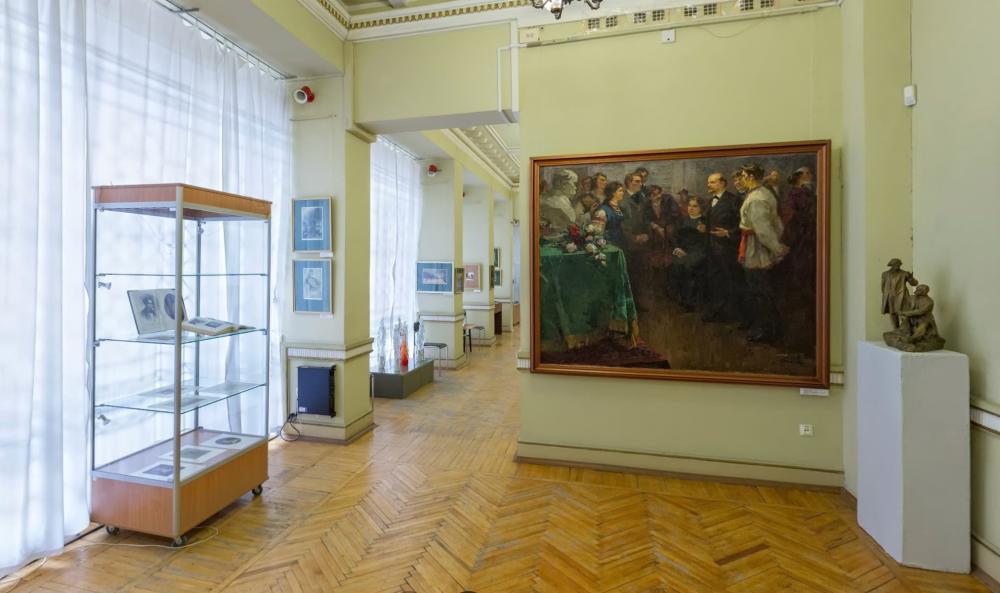
Its collection included more than 15,000 paintings, graphic works, sculptures and works of decorative art, as well as icons. The permanent display featured works by I. Aivazovsky, A. Benois, D. Burliuk, V. Vasnetsov, V. Serov, V. Surikov, I. Shishkin and T. Yablonska.
Bakhmut Museum of Local History
(Donetsk Oblast, temporarily occupied territory)
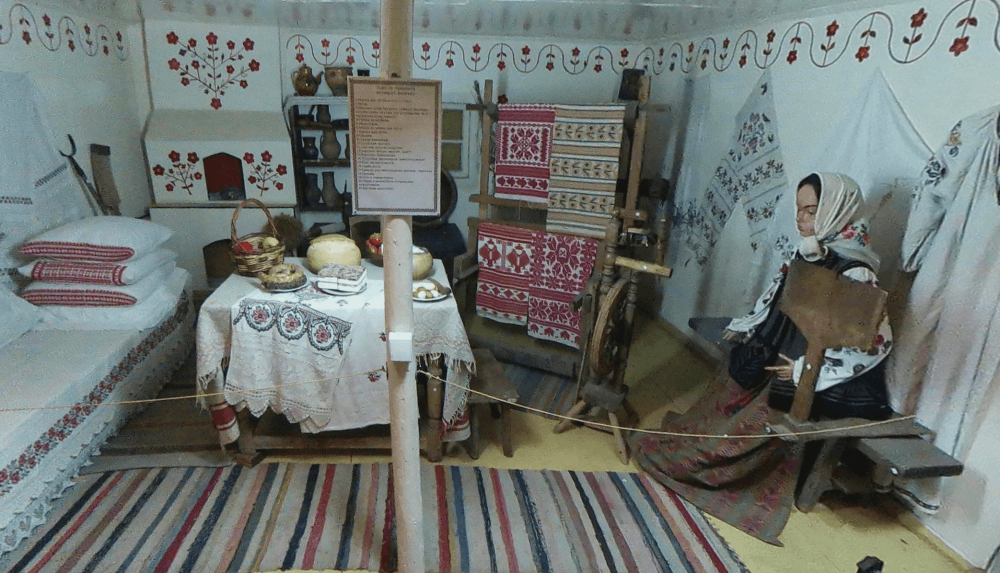
The display told about the nature of the Bakhmut region, its history, life and everyday culture from ancient times to the 20th century. The collection held 30,000 items, including fossilised animals and plants, tools of early humans and objects of the Saltiv culture.
Kamiana Mohyla National Historical and Archaeological Reserve
(Myrne, Zaporizhzhia Oblast, temporarily occupied territory)
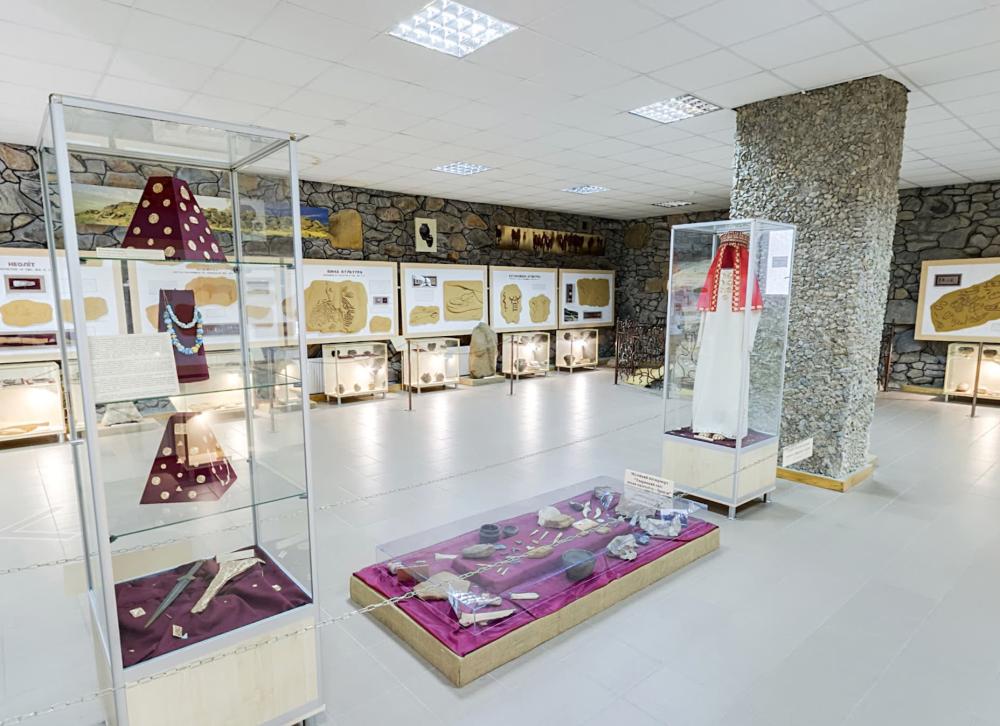
A world-class monument of ancient culture. The hill, which for millennia served as an altar for pagan rituals, contains several thousand unique ancient rock carvings, or petroglyphs.
Berdiansk Museum of Local History
(Zaporizhzhia Oblast, temporarily occupied territory)
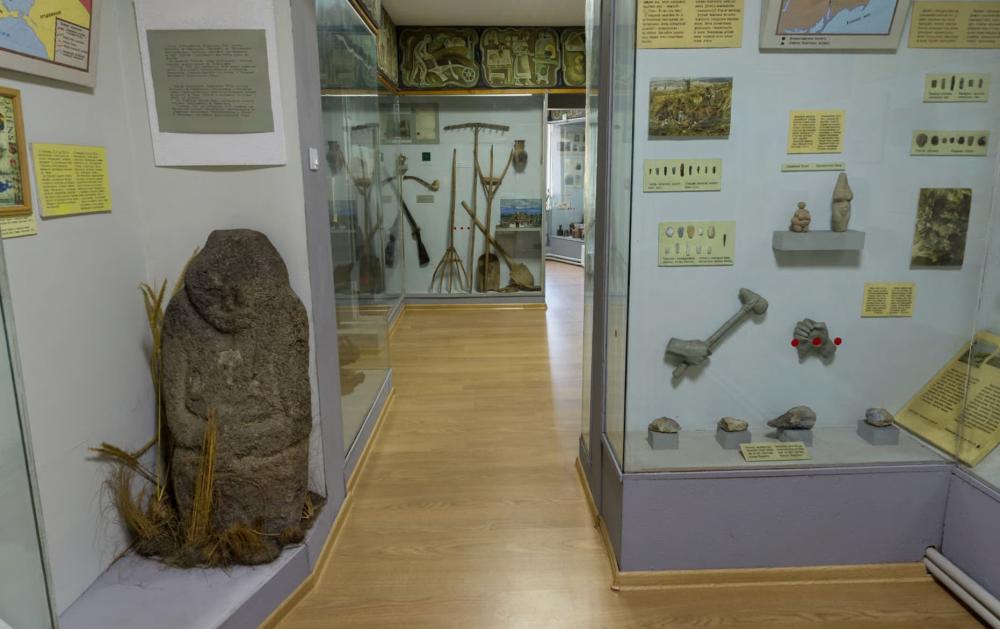
The collection comprised 11 storage groups, from archaeology to the present day. The museum had a large collection of Cuman stone statues and some exhibits from the Scythian period of the 4th century BC.
Museum of the History of Berdiansk
(Zaporizhzhia Oblast, temporarily occupied territory)
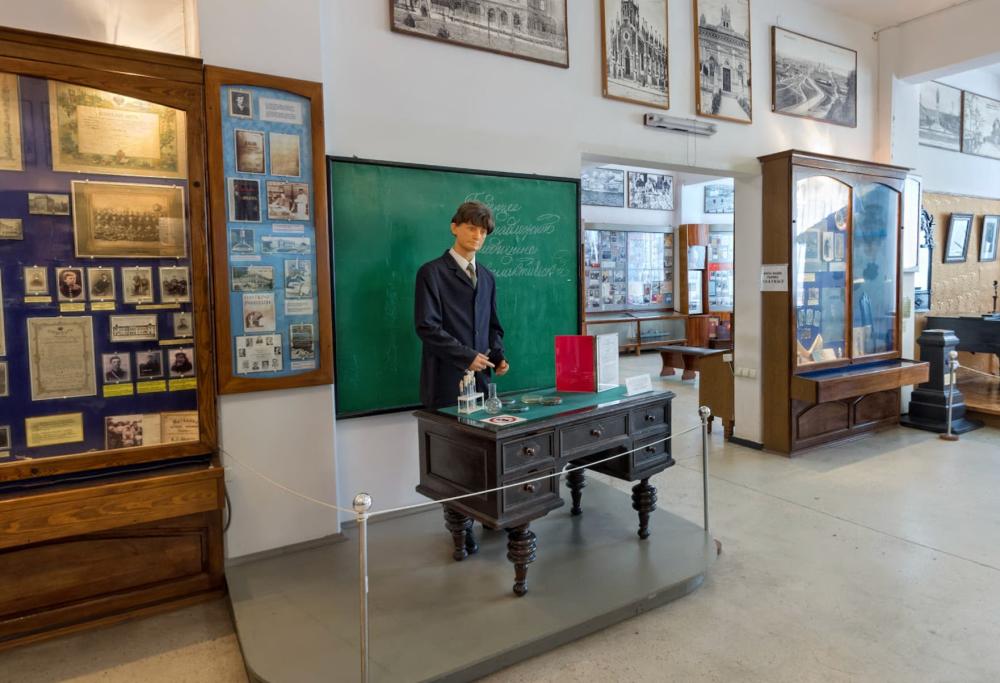
The museum's five halls presented the history of the city from the early 19th to the early 21st century.
Museum of UPA General Roman Shukhevych
(Lviv; on 1 January 2024 the museum building was completely destroyed by a Russian drone)
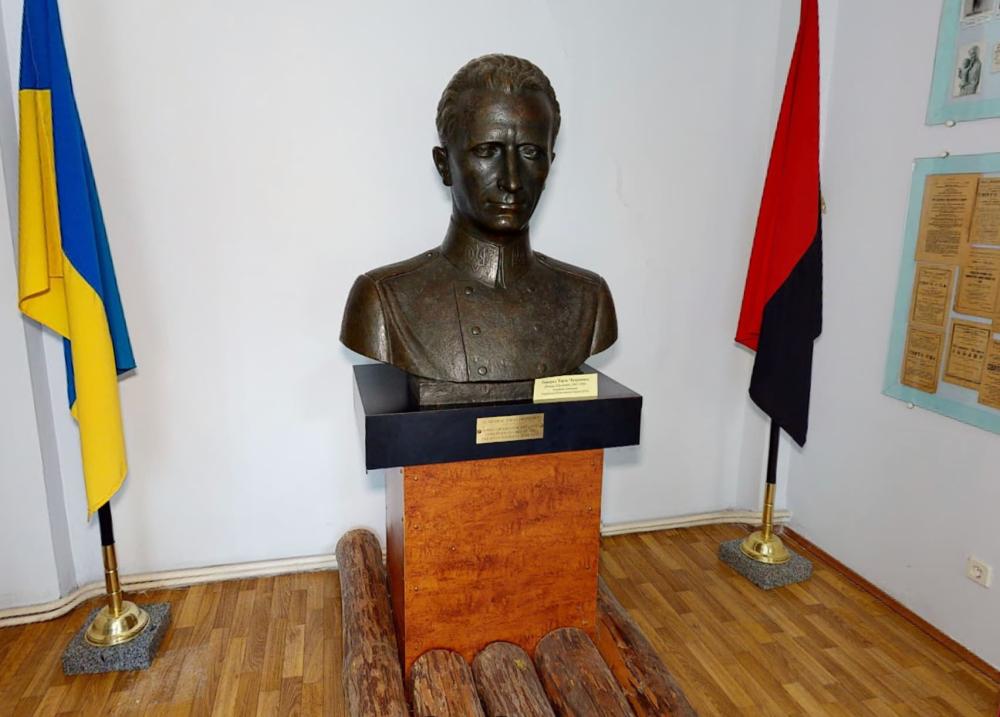
The two-storey house was the last headquarters of the UPA Commander-in-Chief. The ground floor housed five themed halls. The first floor recreated the everyday life of the UPA Commander-in-Chief during his stay in this underground flat (spring 1948–1950). The attack mainly damaged memorial items: a table, armchairs, a sideboard and the piano Shukhevych played.
Kharkiv Art Museum
(Kharkiv; works online because of damage)
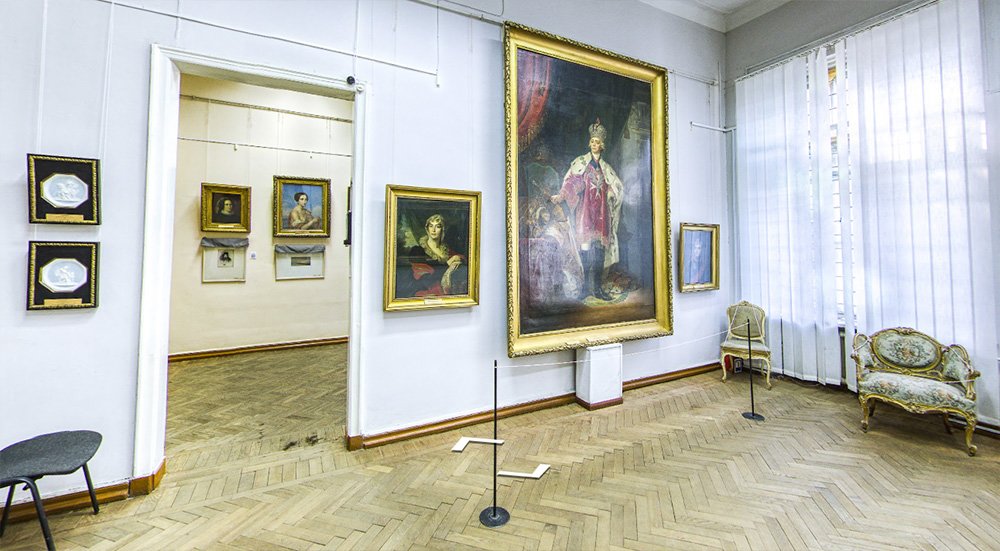
The history of the museum's collection dates back to 1805, when Kharkiv University acquired 2,477 graphic sheets by Western European masters. This collection included works by outstanding 16th–18th-century artists: A. Dürer, H. Goltzius, L. Giordano, P. Bruegel the Elder, A. van Dyck, F. Boucher and others. Another forerunner of the collection was the Kharkiv City Museum of Art and Industry, founded in 1886, one of the first public museums in the Russian Empire. Works by I. Repin, S. Vasylkivskyi, M. Ge, K. Pyneiev, H. Miasoiedov, I. Shishkin, V. Surikov, V. Polenov and others survive from that collection. Today the Kharkiv Art Museum holds about 25,000 items: Western European, Ukrainian and Russian painting, graphic art, sculpture and decorative art (including Eastern) from the 15th–21st centuries.
P. P. Schmidt Memorial House Museum
(Berdiansk, Zaporizhzhia Oblast, temporarily occupied territory)
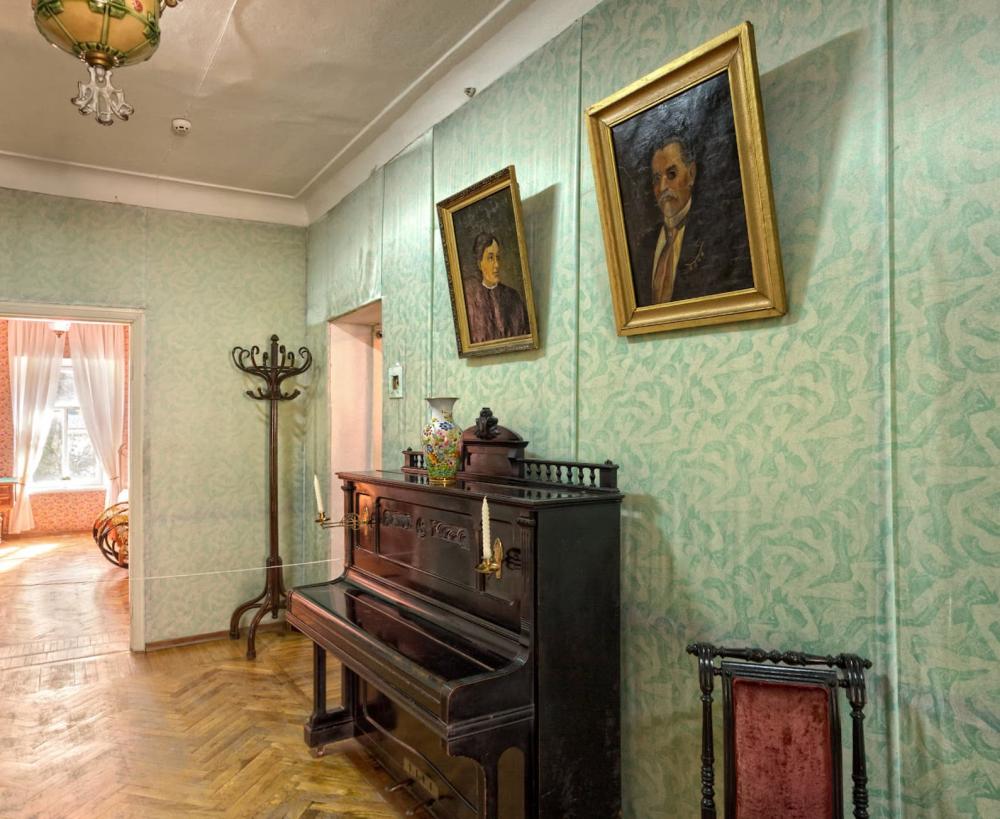
The ground floor housed a display devoted to the Schmidt family in Berdiansk and the life and work of Lieutenant Petr Petrovich Schmidt (head of the port and town of Berdiansk in 1876–1886). The first floor had memorial rooms recreating the everyday life of the time.
Bilovodsk Museum of Local History
(Luhansk Oblast, temporarily occupied territory)
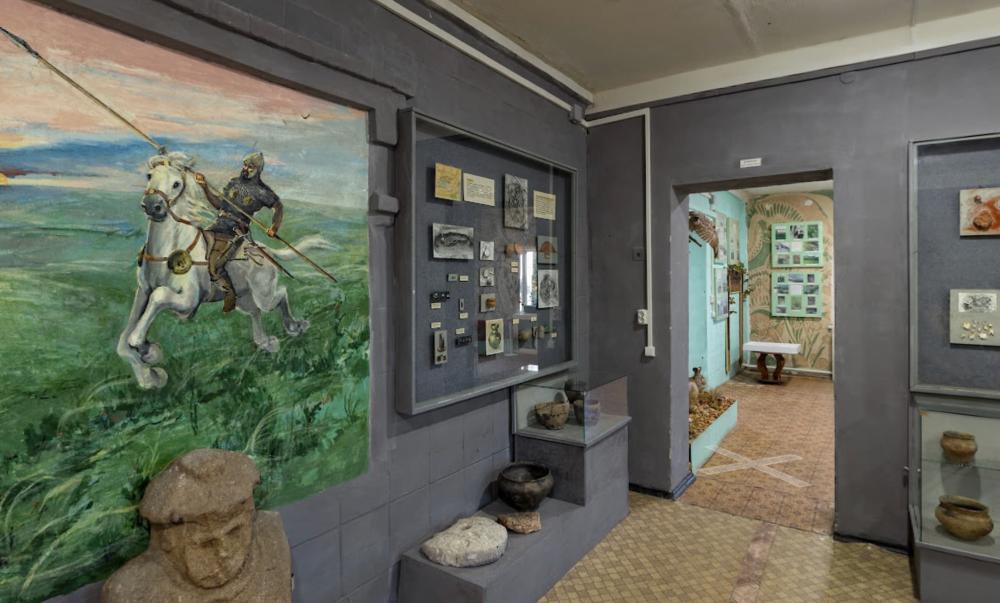
The display on the history of the region included the halls “Nature”, “Ecology”, “Archaeology”, “Ethnography”, “Civil War”, “Second World War” and an exhibition hall. The museum's collection numbered more than 5,600 items.
Velykyi Anadol Forest Museum
(Hrafske, Donetsk Oblast, temporarily occupied territory)
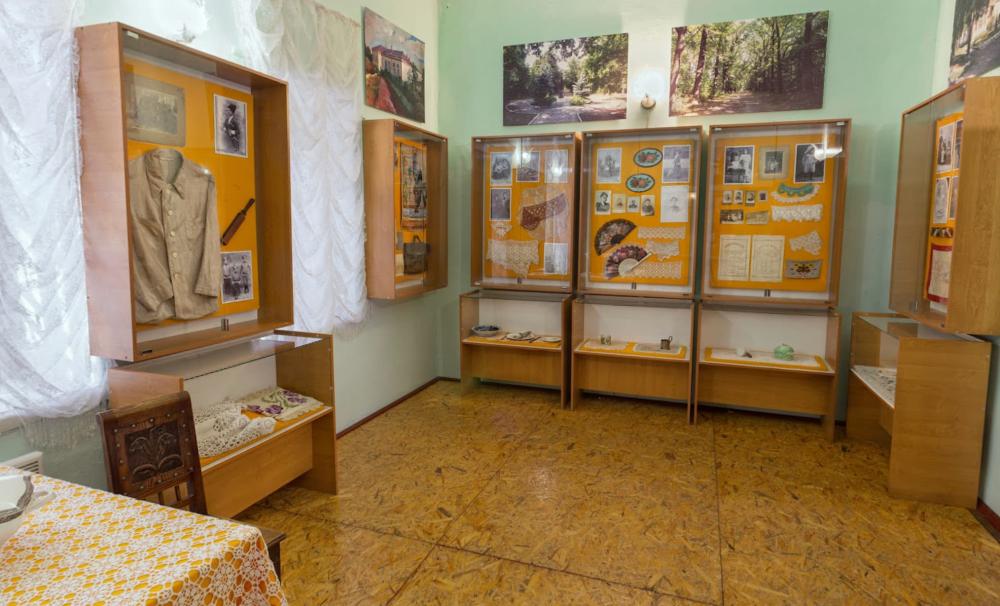
The museum's five halls held materials about the history of the Velykyi Anadol forestry and forestry school from 1843 to the present.
One of the authors of the virtual tours on Google Street View is professional photographer Serhii Orlyk from Donetsk Oblast, for whom shooting 360° panoramas was at first a personal hobby and a way to promote the region's sights. He is the founder and developer of a catalogue of Azov Sea holiday resorts and of the Travelbox VR studio (360-degree content and virtual 3D tours).
“In 2011, when Google Street View was developing in Ukraine, I became interested in adding panoramas and tours to various locations. Back then only a certified Google photographer who had completed a special programme could do this,” he said. “Since 2020 Google has lifted this restriction, and now all users can add content. Of course, panoramas taken with a phone differ from professional shooting in quality, resolution and so on. At the time I understood that we needed to shoot to develop tourism, so that visitors would come to these places.”
During the full-scale war in Ukraine, virtual tours on Google Street View have turned from a tool for promotion and attracting tourists into the only way for a wide audience to see what museums looked like before 2022. The navigation service has acquired a new function: a digital archive.