Audio guides in museums: how sound makes a display more accessible
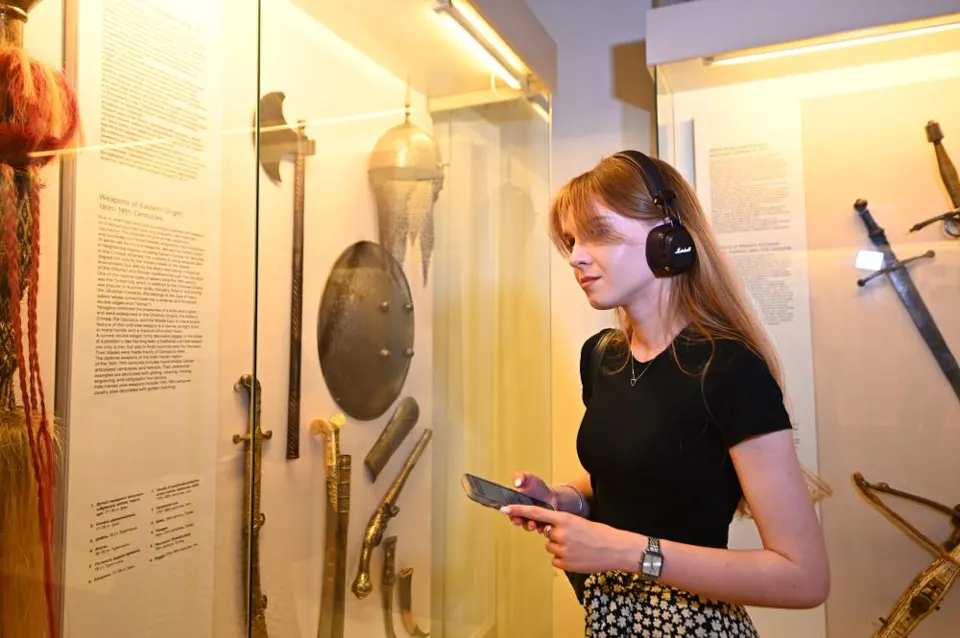
Modern museum technologies offer far more ways to get to know collections than simply looking at a display. They help make the experience more comfortable, and visitors can choose for themselves how to interact with the museum.
After all, it is important not just to show an exhibit but to help people understand its history, context and meaning. For some, a short description is enough; others want more information in a convenient format.
That is why audio guides in museums have gradually turned from an extra service into a fully fledged tool for communicating with visitors. Today they help make museums accessible to a wider audience and open up Ukrainian cultural heritage to foreigners.
From a player to a QR code: how museum audio guides have changed
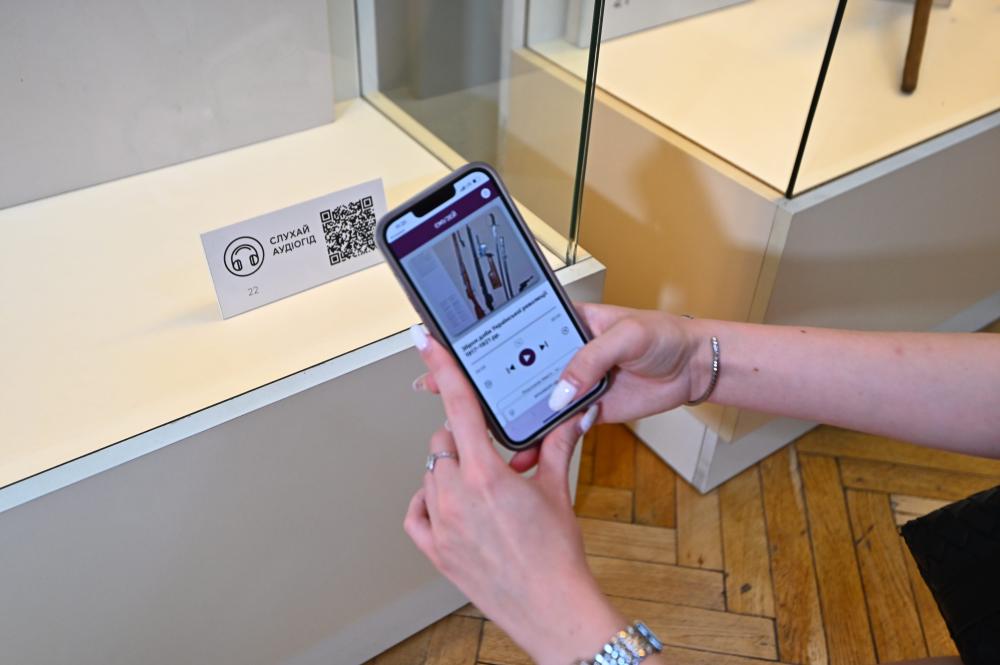
In the past an audio guide was most often associated with a special device, a player that the visitor received together with the ticket. But the development of digital technologies has changed everything.
Now museum audio guides work through QR codes or dedicated online platforms. All you need is a smartphone with internet access: the visitor scans a code next to an exhibit or location and immediately gets access to the audio story.
Another advantage of an audio guide is that it lets you choose your own route and pace, go back to parts of the story and get additional information without being tied to a tour group.
The potential of audio guides is best seen in specific examples. For some museums they have become a tool for inclusion, for others a way to make cultural heritage accessible to visitors from different countries.
An inclusive museum in practice: the experience of the NMHU
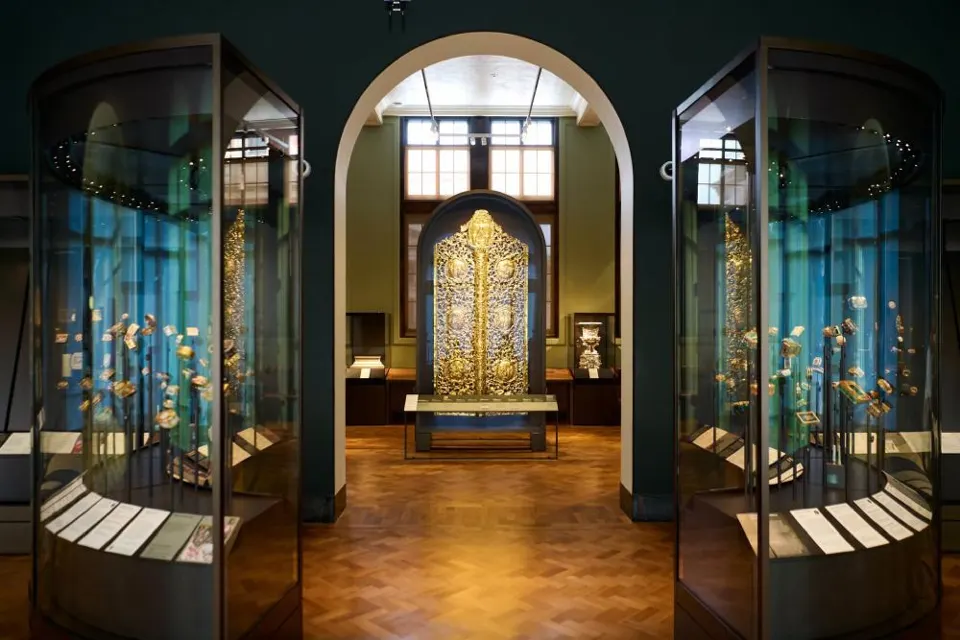
At the National Museum of the History of Ukraine the audio guide has been available since 2021. It is accessed through QR codes placed in the display, and the materials can be played on your own smartphone. The project was carried out in cooperation with the eMuseum and Wisit.ai platforms.
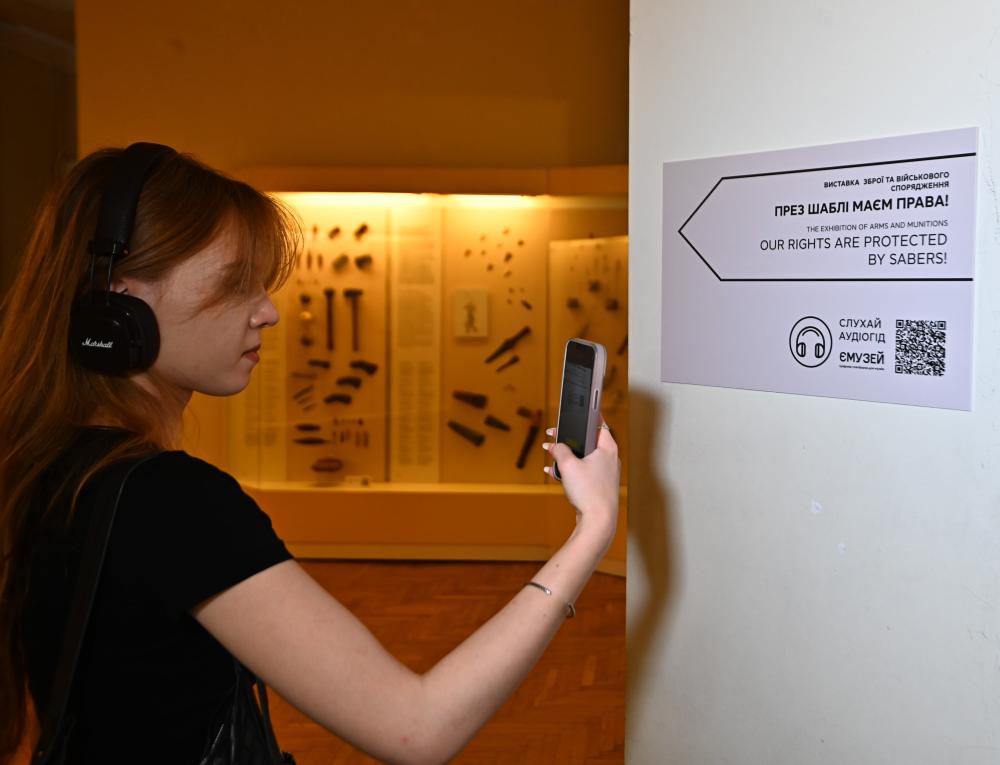
According to museum staff, roughly one in three visitors uses the audio guide at least once while viewing the exhibition. At the same time, the museum sees this service not only as an additional source of information but above all as an accessibility tool.
“Audio guides are one of our priorities in promoting inclusion. We want this service to be useful to as wide a range of visitors as possible, so we are working on different versions of audio guides adapted to the needs of different audiences,” says Iryna Supruniuk, Deputy Director General for Inclusion and Public Engagement at the NMHU.
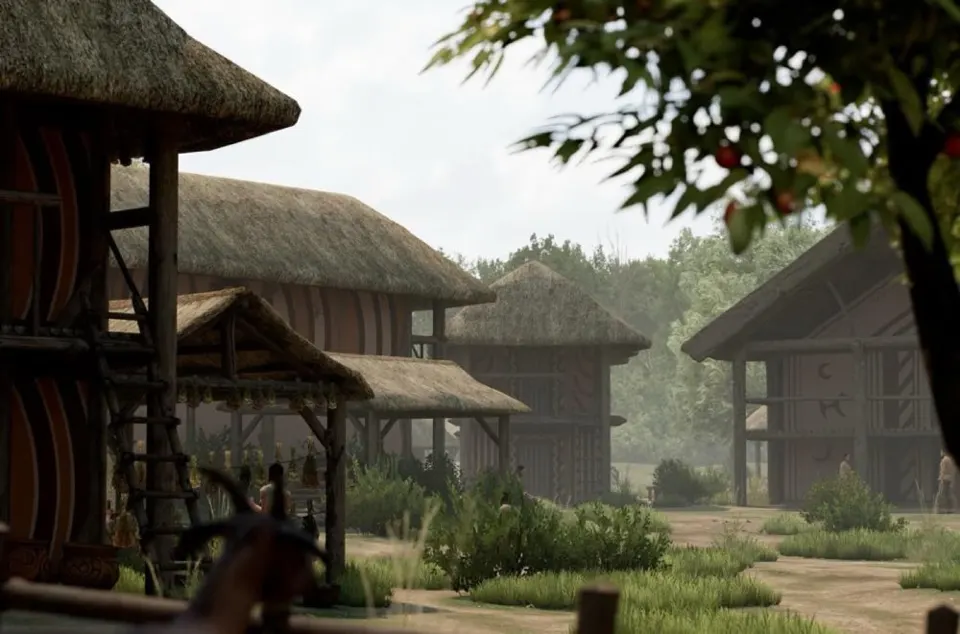
One example of this approach is an easy-to-read audio guide for the exhibition “Pre-Christian Beliefs of Ukraine”. It was created for children and people with intellectual disabilities to make the museum content clearer and more accessible.
The museum sees the next step as developing services for blind and partially sighted visitors. In particular, this means creating audio guides with audio description, a verbal description of the details of exhibits and spaces that cannot be perceived visually.
This approach shows that museum accessibility today is not only a barrier-free space but also adapting information for people with different ways of perceiving it.
The St Sophia of Kyiv audio guide: a museum without language barriers
If for the National Museum of the History of Ukraine the audio guide has become a tool for inclusion, at the National Reserve “Sophia of Kyiv” it helps overcome language barriers.
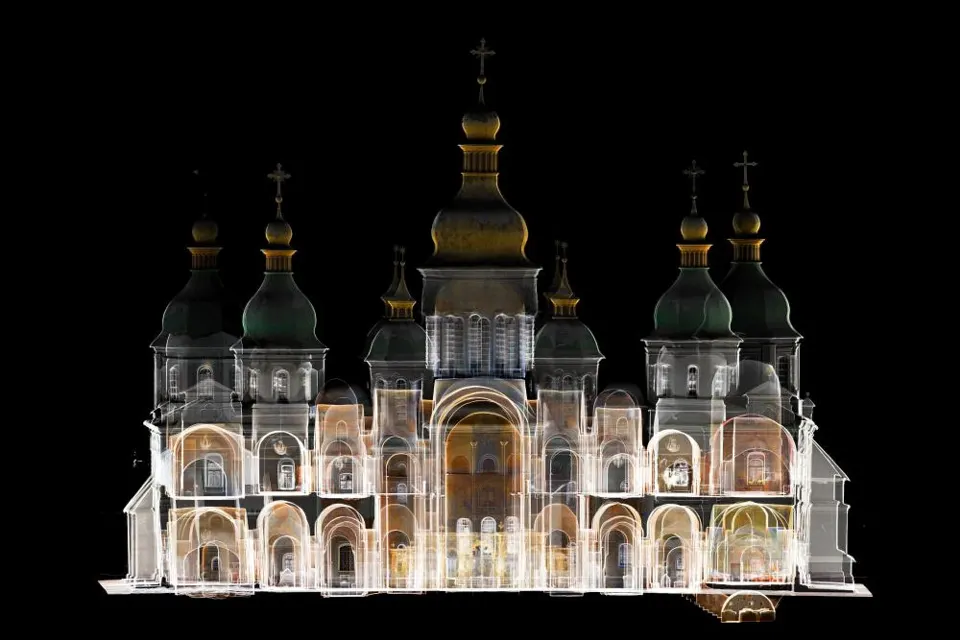
Work on the first audio guide began here back in 2011. At first it was a separate device; today it works through the “eMuseum” digital platform. To use it, simply scan a QR code on the grounds of St Sophia's Cathedral or the Bell Tower and open the audio tour on your own smartphone.
The audio guide is currently available in six languages: English, French, Italian, Turkish, Armenian and, of course, Ukrainian, voiced by People's Artist of Ukraine Nataliia Sumska.
The Ukrainian and English versions are in greatest demand, but interest in other languages is also gradually growing as the number of foreign guests increases.
“For a monument of world significance on the UNESCO World Heritage List, a multilingual audio guide is an extremely important communication tool. Every year St Sophia of Kyiv is visited by diplomats, international delegations, scholars and tourists from different countries. Having an audio guide in several languages makes the history of Ukraine accessible to a wide international audience and helps promote Ukrainian cultural heritage around the world. Notably, representatives of foreign embassies were involved in recording the audio guides,” the National Reserve “Sophia of Kyiv” said.
The audio guide lets visitors explore the history of St Sophia's Cathedral, its mosaics, frescoes and architecture independently and at their own pace. For many foreign tourists it effectively becomes the main way to engage with the monument without a language barrier.
In future the reserve plans to add more languages to the audio guide, develop accessible services and complete a virtual tour on the “eMuseum” platform.
A regional case: the experience of Odesa
Regional museums are also actively introducing the technology. At the Odesa National Art Museum the audio guide appeared recently, in 2025, but already has three language versions: Ukrainian, English and French.
It currently works through QR codes at the exhibition “Pleiades: for the 160th anniversary of the Odesa Art College”.
The museum stresses that the audio guide in itself increases accessibility, as it provides additional access to information for people with visual impairments. New audio guides for temporary exhibitions are planned.
Where museum audio guides are heading
Comparing the experience of different museums, one common trend stands out: audio guides are increasingly adapted to the needs of different audiences. That is why museums are developing new language versions, inclusive solutions and additional digital services.
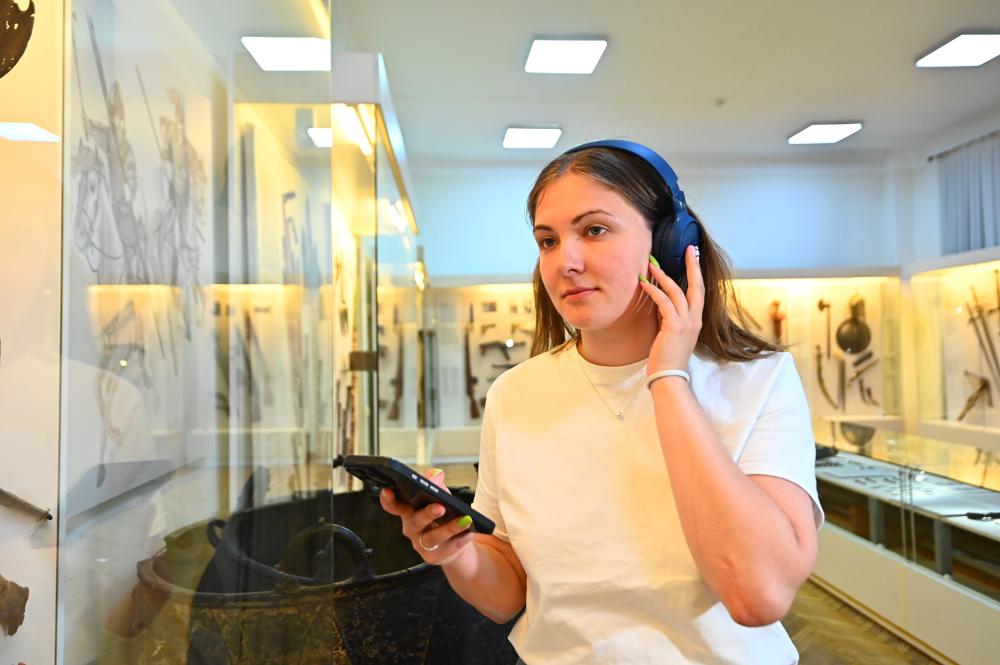
In effect, this tool is gradually becoming not a separate service but part of a broader system of accessibility and communication with visitors.
You can try such solutions in practice today at the National Museum of the History of Ukraine, the National Reserve “Sophia of Kyiv” and the Odesa National Art Museum.
More information about services and current tours is available on the museums' official websites.
Photos: Viktoriia Sidorova, National Museum of the History of Ukraine.