The language of carving: the decorative art of wood sculpture
Woodcarving is one of the oldest forms of decorative and applied art. People began working with wood in prehistoric times, making tools, cult objects and ornaments from it. Over time these things began to be decorated with ornaments and reliefs, turning simple processing of the material into an artistic craft.
Wood was an accessible material that was easy to work, so carving spread in many cultures around the world. Archaeological finds show that similar techniques were used in different civilisations, from ancient Egypt and Mesopotamia to the peoples of Europe and Asia. Carved elements decorated furniture, architecture, religious objects and household items.
Woodcarving in the Ukrainian tradition
In Ukraine wood sculpture has old and rich traditions. For centuries carving was one of the most important branches of folk decorative art. Masters carved spoons, platters, chests, furniture, gates and the beams of houses, as well as cult objects: crosses, candlesticks and iconostases.
Carving became especially popular in the Carpathian region, where distinctive styles and ornamental traditions developed. Hutsul masters combined different techniques, flat and chip carving, to create complex geometric ornaments. Such works were distinguished by clear composition, symbolic motifs and great craftsmanship.
Ornament as the language of culture
The decorative motifs of carving were not random. Geometric patterns, stylised plants, images of the sun or the “tree of life” reflected people's ideas about the world, nature and harmony. Through ornament masters conveyed symbols of fertility, protection, prosperity or spirituality.
That is why wood sculpture is not only a craft but also a kind of language of culture. Every ornament hides a story: the traditions of a particular region, the worldview of the master and the aesthetic ideals of the era.
Wood sculpture in museum collections
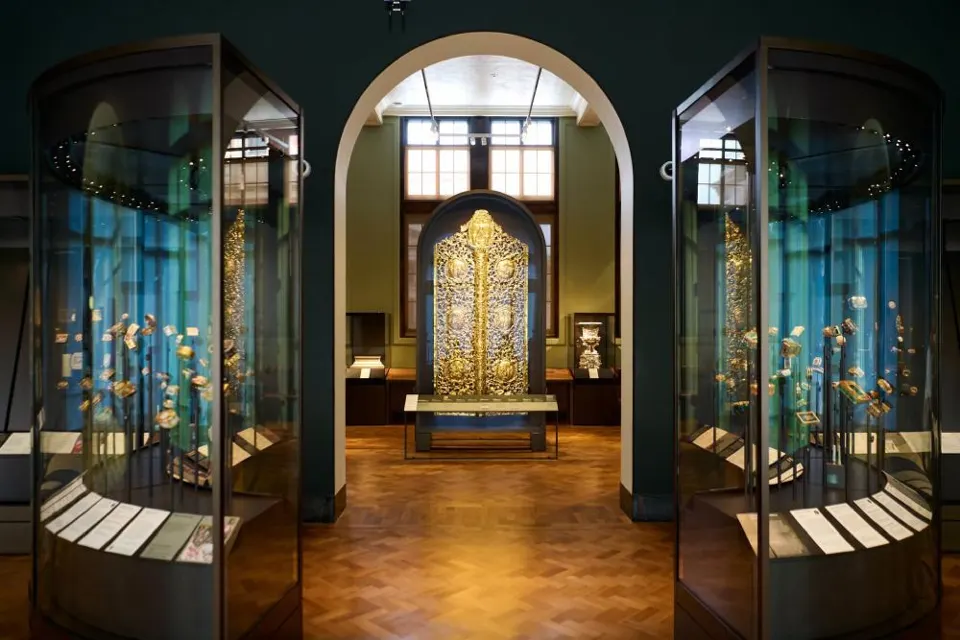
Today works of artistic carving are kept in museum collections, where they are important evidence of the development of folk art. The collections include carved furniture, chests, decorative panels, cult objects and other items demonstrating the diversity of techniques and styles of wood sculpture.
Many such works can also be found in digital collections. For example, the Register of the Museum Fund of Ukraine contains thousands of museum objects, including works of artistic woodcarving. You can view these objects and learn more about the decorative art of wood sculpture via this link.
The living art of tradition
Despite its long history, the art of woodcarving has not lost its relevance. Contemporary masters continue to work with traditional ornaments and techniques, combining them with new artistic ideas.
Thus wood sculpture remains a living part of cultural heritage. It combines craft, art and the symbolic language of tradition, and every carved object becomes a kind of message from the past that helps us better understand the history and culture of a people.
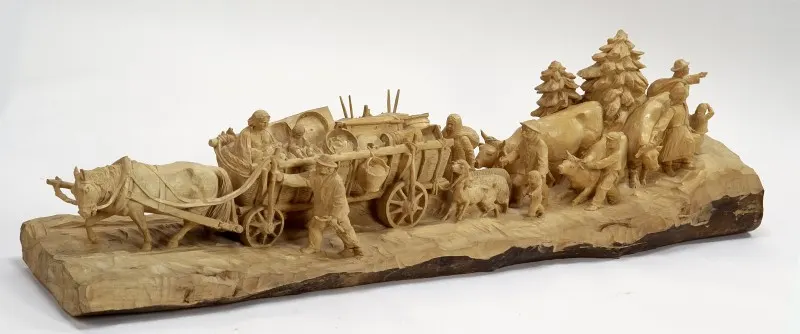
Cover image: the sculpture “Resettlement of the Lemkos” from the collection of the National Museum of Decorative Art of Ukraine