Tradition you can touch: Ukrainian handmade ceramics as living heritage
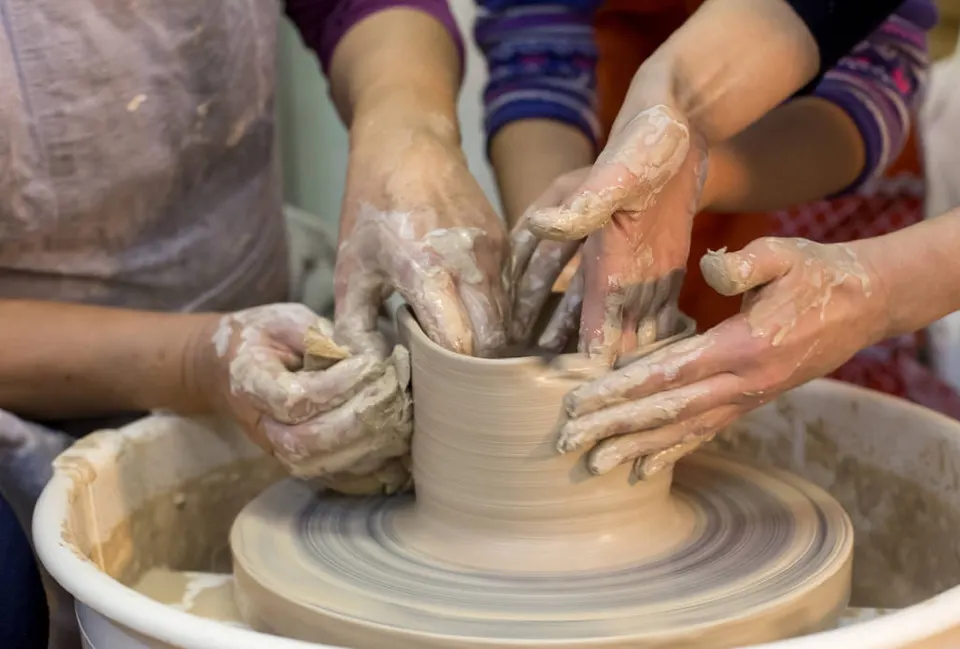
About clay that remembers everything
In a world where objects are often made by the thousand, with identical shapes and sterile perfection, handmade ceramics look like a miracle. A Ukrainian clay bowl, jug or plate, uneven, warm and real, holds something more than function. It holds the memory of touch, the rhythm of movement, a sign of culture, the silent voice of a family.
Pottery in Ukraine is not just a craft. It is a form of communication between generations, between village and city, past and present. No traditional bowl is ever cloned, because its shape and pattern are born in interaction with the material. Clay, obedient and capricious at once, allows one to create not just an object but an image in which the master's hand can be felt. And one can also feel the song that was sung in the house where this bowl was used.
Ukrainian pottery has regional schools, each unique in technique, ornament and purpose. These centres are not just cultural points on the map but living centres of continuity.
Opishnia (Poltava region)
It is considered the capital of Ukrainian pottery. Dozens of masters work here, there is the National Museum-Reserve of Ukrainian Pottery, and the “Zdvyh maistriv” festival is held every year. Opishnia ceramics combine archaic forms with bright decorative elements: cockerels, rams, carved suns. Here you can still see traditional potter's wheels, drying racks and kilns, and learn how a clay object is born from nothing.
Kosiv (Ivano-Frankivsk region)
One of the best-known centres of Hutsul ceramics. The items are decorated with three-colour painting (green, yellow, brown) and unique ornaments: snakes, horsemen, birds and rosettes. In 2019 Kosiv painted ceramics were inscribed on UNESCO's list of intangible cultural heritage. They are still made by hand following all the old technologies.
Havarechchyna (Lviv region)
The tradition of black smoked ceramics, dating back to Trypillian times, has survived here. The vessels are fired in special conditions without oxygen, which gives them a deep black colour and a metallic sheen. This tableware is not only beautiful but also practical: it does not spoil the taste of food and keeps heat for a long time. Havarechchyna is a place where you can feel the primal power of clay.
Vasylkiv (Kyiv region)
Known as a centre of faience and porcelain, where art workshops, designers and experimenters worked in Soviet times. The Vasylkiv factory became a centre combining traditional ornament with modernist style. Today local masters revive this heritage through contemporary items with elements of ethno-aesthetics.
Slobozhanshchyna (Kharkiv and Sumy regions)
A region with a deep tradition of everyday pottery, from bowls to oil lamps and jugs. Slobozhanshchyna ceramics are dominated by calm natural tones, smooth or relief ornaments and motifs typical of village life. These items were always practical, durable and deeply rooted in community life.
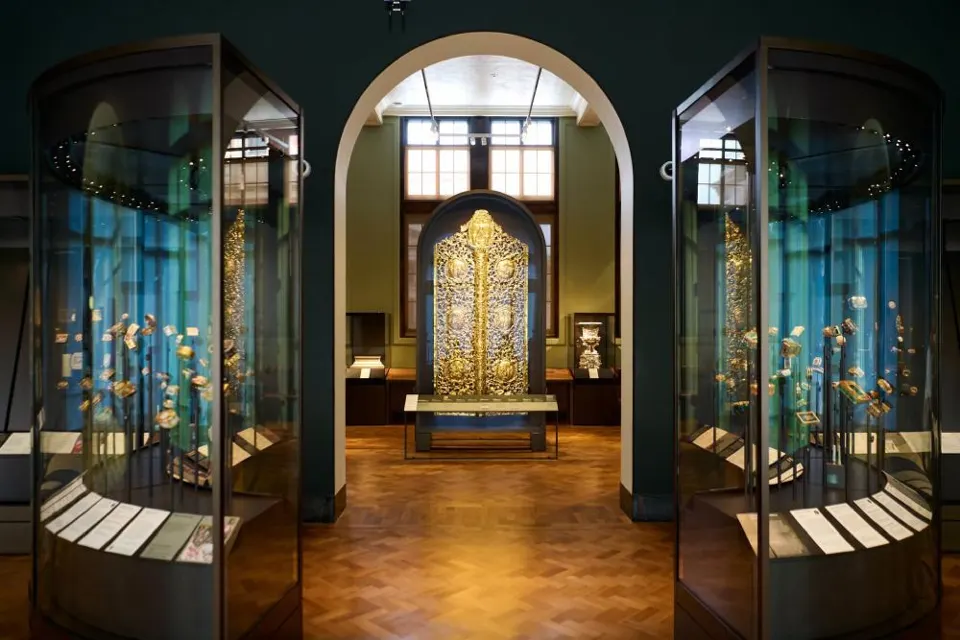
Items from these centres can be seen at temporary exhibitions of the National Museum of Decorative Art of Ukraine and explored online on the museum's page on the Register of the Museum Fund of Ukraine portal.
Ukrainian ceramics are not just decorative objects. They are fingerprints, the heat of the kiln, the patience of hands and the silence of a home. They live, and continue to live, wherever there is clay, a kiln and the desire to cherish one's own.
To touch tradition means to feel one's part in a thousand-year chain of creators. A clay bowl is not a museum exhibit. It is the continuation of the hands of a grandmother, a grandfather, a master. It is the silence in which form is born. And every such form is unique, like Ukraine itself.